
Roofing in Altamonte Springs, FL
Call Us
(407) 305-0865
Leaks and storm damage
Tell us what you are seeing
Altamonte Springs and Seminole County
Roof work across the city
What Altamonte Springs roofs are up against
Altamonte Springs was built in a hurry and then stopped. Nearly 62% of its 22,821 homes went up between 1970 and 1989, so whole subdivisions are reaching the end of a second covering in the same few years. The median home dates from 1983, which means the roof over it is usually on its second or third layer, over plywood that has been holding nails for four decades. The calls that come out of this city are rarely about one bad roof. They are about a street where every roof is the same age and every one of them is deciding what to do at once.
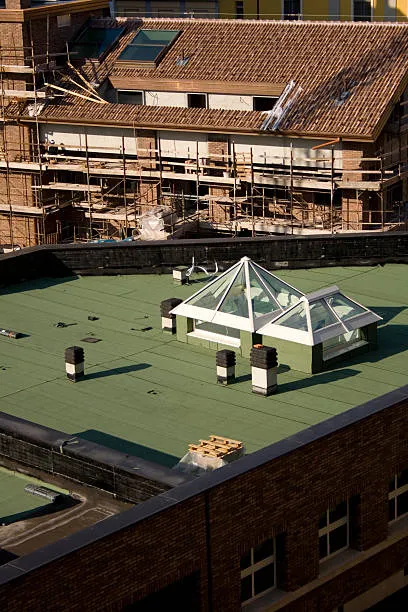
Homes in Altamonte Springs, FL
Four things shape a roof here: the ground it drains to, the two decades that built the city, the storm pattern across Seminole County, and which office issues the permit.
Eighty feet, nine square miles, and no fall to the ground
Altamonte Springs sits at about 80 feet above sea level, across 9.12 square miles of land with 0.602 square miles of water inside the city limits. There is no altitude to design for and no snow load to carry. At 80 feet the terrain is close to flat, which matters more than it sounds: water leaving a roof has almost no fall to help it away, so pitch, underlayment and gutters carry the whole job. The city’s lakes and the low ground around them collect what the streets cannot take, and a heavy summer cell can leave standing water at a foundation within the hour. In roofing terms that turns eave details, gutter sizing and downspout outlets into structural decisions rather than finishing touches.
When Altamonte Springs’ roofs went on
The median year of construction is 1983, across 22,821 housing units. The distribution is unusually narrow: 30.2% of the city went up in the 1970s, 6,885 homes, and 31.7% in the 1980s, another 7,234, so 61.9% of the stock was built inside twenty years. The 1990s add 13.5%, the 2000s 11.4%, and only 15.9% is post-2000. Only 8.8% predates 1970. That shape is the whole roofing story of this city. A house built in 1984 was framed with plywood sheathing and covered with a three-tab shingle that has since been replaced at least once; the deck at the valleys, chimneys and penetrations is now forty years old and has been re-nailed twice.
The weather these roofs take
The long-record station for this part of Central Florida, at Orlando International Airport, averages 50.73 inches of rain a year, with 21.98 inches of it in June, July and August. The July normal maximum is 91.8°F and August 91.6°F, so the covering is cooked for a third of the year and then soaked in a ten-week block. NOAA’s Storm Events database recorded 45 hail events, 30 thunderstorm wind events, 4 tornadoes, 6 tropical storms and 6 flood events across Seminole County between 2016 and 2025. Hail came in bursts rather than evenly: 17 events in 2020 and 11 in 2022, against one in 2019. That is a pattern that damages a whole subdivision in one afternoon and leaves the next street untouched.
Who issues the roofing permit in Altamonte Springs
Altamonte Springs is in Seminole County, and inside the city limits the permit comes from the City of Altamonte Springs rather than from the county. The city publishes a single page for applying for permits and scheduling inspections, which is the route a roofing application takes, and inspections are booked through the city rather than through a county portal. That matters on a re-roof, because the deck inspection is a scheduled event: the roof stays open until it has happened, and the sequence decides how long a house is exposed to weather. Permit requirements vary by address, so confirm with the city whether your specific repair is permitted work and which inspections come with it before a start date is agreed.
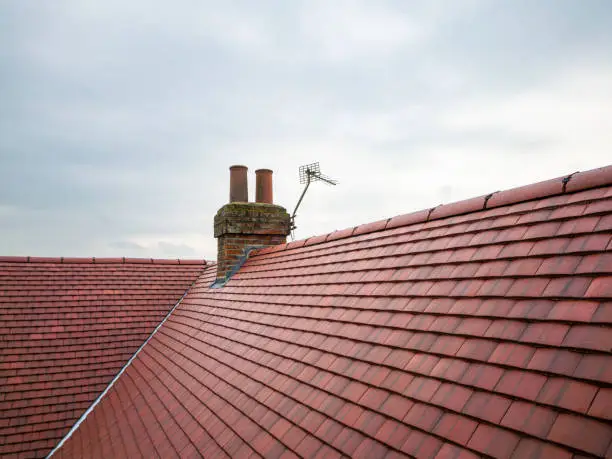
Roofing services in Altamonte Springs, FL
Because the stock is concentrated in two decades, most of the work here is second-covering work, and the deck is usually the question.
On the 1970s and 1980s houses the covering has been replaced at least once, so the choice is between a third layer over tired plywood and a full strip. What a strip and re-cover involves is set out on the roof replacement page, and the judgement between patching and re-covering an existing layer is on the shingle roofing page. Where the surface is sound and the pitch is shallow, a coating can add years rather than a decade, with the trade-offs on the roof coating page.
The 1990s and post-2000 minority is mostly first or second covering on architectural shingle, and the failures there are components rather than fields: boots, pan flashings, valley metal. That is ordinary roof repair work, and it stays cheap while it stays small. The 1990s cohort is the smallest of the recent blocks at 14.1%, but it is the one where a repair is most often the whole answer, because the field of those roofs has not yet reached the end of its first life.
The 8.8% of the city that predates 1970 needs a different approach again. Those houses were built with board sheathing and a single layer of felt, and the felt is the part that has gone; where the tile is still sound the underlayment is the job, which the tile roofing page explains.
Homeowners planning past a shingle cycle ask about metal, covered on the metal roofing page. Flat and low-slope sections over garages, porches and additions are membrane work, with the trade-offs set out on the EPDM page. After a storm opens a roof, stopping the water comes first and is covered on the tarping page. Where a wet ceiling has more than one possible cause, the inspection page explains how that is narrowed down, and where an insurer is involved, the insurance claim page covers the documentation a carrier will ask for. Holding a roof past its second covering is the subject of the maintenance page.
Roof work in Altamonte Springs, FL
Why homeowners in Altamonte Springs choose us
A city built in two decades produces a specific kind of mistake: the quote written for the street rather than for the house. Two 1984 houses on the same road can differ at the deck by a factor of two, because one has been re-covered twice over dry plywood and the other has had a valley leak running for three seasons.
Residential Roofing Orlando opens the attic before it prices anything, photographs the deck at the valleys and penetrations, and counts the layers. The cause goes on the same sheet as the fix. Where the deck is sound, a third layer is discussed honestly, including what it forecloses. Where it is not, the strip is the only answer and the report says why. Two houses that look alike from the kerb can be a repair and a strip.
What a first visit covers
- We start with the build year, because two decades built most of this city and the deck age follows from it.
- The attic is opened and the deck photographed at the valleys, chimneys and penetrations, not just at the field.
- The number of existing layers is counted, since a third layer is a different decision from a second.
- You get the cause and the fix on one page, in the order the work has to happen.
- The permit route and deck inspection for your street are confirmed with the city before a start date is agreed.
What we check before any work is quoted
- Deck condition: 1970s and 1980s plywood that has been nailed through twice is the deciding factor on most of this city.
- Valley metal and pan flashings: the first places a second covering fails, and the hardest to see from outside.
- Layers on the roof: what is already there sets whether a strip is required rather than chosen.
- Attic ventilation: an under-vented attic shortens the life of every covering above it, whatever the label says.
- Gutters and grade: at 80 feet with flat ground, overflow at the eave reads inside as a roof leak.
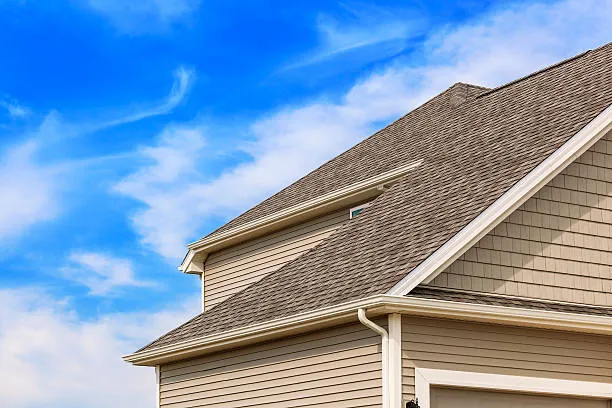
Why now, before another storm season in Altamonte Springs
The timing argument in this city is almost arithmetic. 61.8% of the housing went up between 1970 and 1989, which means most of Altamonte Springs crosses the same thresholds within a few years of each other.
A roof installed in 1990 is now past thirty years. A second covering installed in 2004 is past twenty. Neither is a crisis on its own, but both sit in the band where insurance underwriting starts asking questions, and both are the age at which a small detail failure stops being small. The 1980s plywood underneath is the part that decides the cost: it has been nailed through twice, and the same leak that wets a rafter also softens the sheathing around it.
The storm pattern compresses the decision. Seminole County took 45 hail events in ten years, with 17 of them in 2020 alone and 11 in 2022, plus 30 thunderstorm wind events. Hail of that size bruises the mat under the granules without breaking the surface, so a roof can take damage in one afternoon and show nothing until the next inspection. On a street where every roof went on in the same year, that means every roof is reading the same evidence at the same time.
There is a practical consequence worth planning for. When a whole subdivision re-roofs together, the deck inspections queue, and a job booked in the dry season finishes in the dry season. A job that waits until a ceiling stains in July waits behind everyone else who did the same thing.
The other reason the calendar matters here is drainage rather than wind. At 80 feet on flat ground, a summer cell that drops two inches in an hour does not run off the way it would on a hillside. It backs up at the eave, tests every gutter seam, and finds the one downspout that empties against the slab instead of into a drain or a splash block. That is a five-minute fix in a dry month and a fascia, soffit and interior job after a wet one.
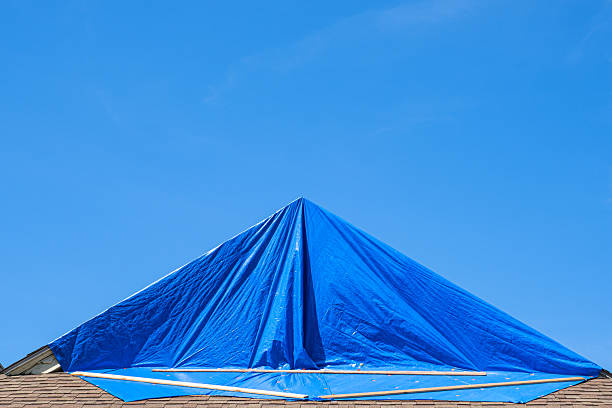
Frequently asked questions about roofs in Altamonte Springs
Does a roof repair in Altamonte Springs need a permit, and who issues it?
Inside the city limits the permit comes from the City of Altamonte Springs rather than Seminole County, and inspections are scheduled through the city. A re-roof carries a deck inspection, so the roof stays open until that inspection has happened. Permit requirements vary by address, so confirm with the city whether your repair is permitted work and which inspections apply before a start date is agreed.
Why does Altamonte Springs need reroofing all at once?
Because the city was built in two decades. 30.2% of its 22,821 homes date from the 1970s and 31.7% from the 1980s, so 61.9% went up between 1970 and 1989 against a median build year of 1983. Subdivisions that were finished within a year or two of each other reach the end of a second covering within a year or two of each other.
Can a 1980s house take a third layer of shingles?
Sometimes, and the deck decides. Two layers are common on that stock, and the code allows a limited number of layers, but a third layer adds weight to forty-year-old plywood that has already been nailed through twice and hides whatever is happening underneath. The honest answer comes from opening the roof at a valley, not from the driveway.
How much hail does Altamonte Springs get?
NOAA recorded 45 hail events across Seminole County between 2016 and 2025, but not evenly: 17 came in 2020 and 11 in 2022, against a single event in 2019. Bursts matter more than averages here, because one afternoon can bruise every roof on a street that went up in the same year.
How long does a 30-year shingle roof last in this climate?
Expect the mid-twenties at best. The airport station averages 50.73 inches of rain a year, 21.98 inches of it across three summer months, with a July normal maximum near 92°F. A thirty-year shingle on a 1980s Altamonte Springs house has usually had one replacement already, and the second one tends to arrive early where the attic is under-vented.
What is the 15-year roof rule in Florida?
It is an insurance underwriting practice rather than a building code: many carriers inspect, surcharge or decline at or past fifteen years of roof age. On a city whose median home is from 1983, almost every roof is past that line, and what an underwriter wants is evidence of condition or replacement rather than an opinion.
Next step: call (407) 305-0865
Tell us the year the house was built and whether the roof has been replaced before. Residential Roofing Orlando will confirm the permit route with the city, describe what the deck is doing, and put the cause and the repair on one page. Call (407) 305-0865.