The clearest warning signs you need a new roof in Orlando are consistent granule loss in your gutters, shingles curling or cracking across multiple sections, and repeated leaks in different spots despite prior repairs. Florida’s five weather threats — hurricanes, daily thunderstorms, year-round UV, extreme heat, and persistent humidity — create those warning signs faster here than in almost any other US market. A shingle roof rated for 25–30 years in a northern climate delivers just 15–20 years in Central Florida.
In our 14 years inspecting and repairing roofs across Orlando, Winter Park, Kissimmee, Sanford, and Orange County, we’ve seen the same weather-driven damage patterns repeat season after season. Here’s exactly what each weather threat looks like on your roof — and what it signals about whether you need repair or replacement.
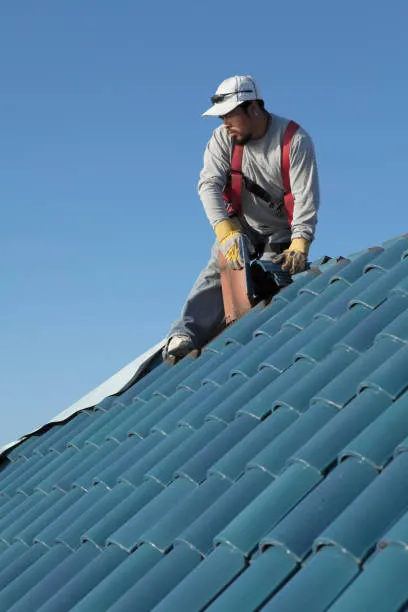
Why Florida Creates Warning Signs Faster Than Almost Any State
The numbers put Florida’s weather environment into perspective. From 1980 to 2024, there were 94 confirmed weather and climate disaster events with losses exceeding $1 billion each affecting Florida — including 36 tropical cyclone events and 33 severe storm events. Florida faces 41% of all US hurricanes, placing extraordinary stress on residential roofing infrastructure that no other major market matches.
Orlando averages 51.45 inches of rainfall per year based on NOAA 1991–2020 climate normals — nearly 40% more than the US average of 37 inches. That rain doesn’t fall gently. It arrives in concentrated afternoon thunderstorms that test every seam, valley, and flashing joint repeatedly throughout the year.
The result: knowing how each weather threat contributes to roof deterioration helps you recognize the signs your roof needs to be replaced before a small problem becomes a structural emergency.
For a complete breakdown of failure modes by cause, see our common causes of roof damage in Florida homes.
Hurricanes and Tropical Storms: The Biggest Warning Signs
Wind is the most acute weather threat Orlando roofs face. Even inland Orange and Osceola counties see 100+ mph wind gusts during significant storms. Tropical storms — which don’t reach hurricane classification — regularly produce 60–75 mph gusts sufficient to lift shingle tabs, tear pipe boots from penetrations, and separate flashing from chimney and wall joints.
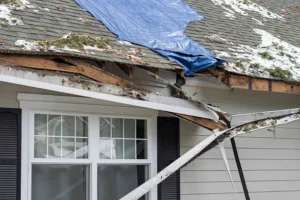
Warning signs you need a new roof after a wind event: missing shingles concentrated on windward-facing sections, granules filling gutters immediately after the storm, ceiling stains appearing within 48 hours, and visible lifted shingle edges that are not yet missing but will fail in the next rain.
The 25% rule trigger: If more than 25% of your roof is repaired or replaced within a 12-month period, Florida Building Code requires the entire roof to be brought up to current code standards — even if you only intended a partial fix. After a significant hurricane, many Orlando homeowners find that storm damage has crossed this threshold, making full replacement both legally required and practically smarter than piecemeal repairs.
For emergency post-storm service across Orlando, Lake Mary, Sanford, and surrounding communities, our storm damage roof repair team provides same-day assessment and emergency tarping.
Daily Thunderstorms: The Cumulative Warning Signs Most Homeowners Miss
Hurricanes get the attention, but Orlando’s daily thunderstorms are responsible for a significant share of the cumulative roof damage we inspect across Central Florida every year.
Severe thunderstorms roll through Orlando regularly, especially spring through early fall, with damaging winds above 58 mph, large hail, and dangerous lightning. These storms arrive almost daily during June through September — and each one tests your roof’s flashing seals, shingle adhesion, and gutter system.
What catches homeowners off guard is the cumulative effect. One thunderstorm with 55 mph gusts doesn’t visibly damage a well-maintained roof. But 90 such storms over a single summer — each lifting shingle tabs slightly, each driving water against flashing seals, each depositing debris in valleys — accelerates aging measurably. The roof that looked fine in May shows granule loss, micro-cracking, and early flashing failures by October.
What to watch for after storm season: water stains on ceilings, wet or discolored attic insulation, granule buildup in gutters, peeling paint near rooflines, and mold growth in the attic. A quick ground-level visual check after any significant storm takes three minutes and catches early damage before the next event compounds it.
For repair needs identified after storm season, our roof repair in Orlando team handles everything from single-shingle replacements to flashing restoration.
Year-Round UV Exposure and Extreme Heat: The Gradual Warning Signs
Central Florida’s UV index reaches 7 during its peak months of May through September — and unlike northern climates, there’s no cold-season recovery period. UV radiation is relentless year-round at near-sea-level elevation in Central Florida, operating without the seasonal breaks that give northern roofs time to recover between summer exposures.
Florida’s intense sun and high temperatures put roofing materials under constant stress. UV radiation dries out adhesives, breaks down roofing materials, and causes thermal expansion that cracks tiles and curls shingles. The average rooftop can reach 150°F or higher during summer months, warping components and degrading underlayments at a rapid pace.
How to tell if a roof needs to be replaced from UV damage: widespread curling or cupping across south- and west-facing sections, granules accumulating in gutters consistently year-round (not just after storms), and shingles that feel brittle rather than flexible when touched.
Homeowners in Winter Park, Lake Mary, and Kissimmee with south- or west-facing roof planes bear the brunt of this exposure. Proper attic ventilation significantly slows UV and heat-related deterioration by preventing the “baked from below” effect. See our roof maintenance tips for Orlando homeowners for what a proactive maintenance schedule looks like.
Florida’s Humidity: The Invisible Warning Signs
Orlando’s average relative humidity reaches 76% in June and remains above 70% through October. That sustained moisture environment creates two distinct types of damage.
On the exterior, humidity feeds the algae and lichen colonies responsible for the dark streaking visible on so many Orlando-area roofs. On the interior, moisture migrates through inadequately ventilated attic spaces and causes wood rot, insulation degradation, and underlayment delamination — none visible from the exterior until the damage is structural.
How do you know if you need a new roof from humidity damage? The attic tells you before the ceiling does. Water staining on rafters, soft or compressing insulation, and musty odor that wasn’t present previously all indicate active moisture infiltration. By the time ceiling stains appear in your living area, the underlying damage is typically significant and the cost conversation has changed significantly.
Hail Damage: Less Common in Orlando, Still Worth Knowing
Florida’s high freezing level in thunderstorms means hail often melts before reaching the ground in Central Florida. Even so, Osceola County — immediately south of Orange County — receives active severe thunderstorm warnings with quarter-size hail multiple times per year during storm season.
Warning signs you need a new roof from hail: circular bruising or dimpling on shingle surfaces (often not visible without getting on the roof), cracked tile at impact points, and accelerated granule loss in localized sections following a hail event. If you suspect hail damage, get a licensed contractor inspection before contacting your insurer — professional documentation strengthens your insurance claim.
How Florida’s Building Code Responds to These Threats
Florida’s roofing code is among the strictest in the US — because the weather data demands it. Florida’s building codes, reformed after Hurricane Andrew in 1992, require specific wind ratings, engineered roof connections, and structural tie-downs. Code-compliant construction reduces windstorm losses by up to 72%.
For Orlando homeowners in Orange and Osceola counties, current Florida Building Code requires: enhanced fastening patterns, code-approved underlayment (often two layers), drip edge flashing at all eaves and rakes, and proper roof-to-wall connection hardware. Homes built before 2002 may not meet current wind resistance standards even if the roof itself looks intact from the street.
If your home falls into that pre-2002 category and you’re considering roof work, understanding whether installation would require code upgrades is a critical part of the cost conversation. Our affordable roof replacement guide for Orlando covers exactly how this affects the repair-vs-installation decision.
What Orlando Homeowners Should Do After Any Storm Event
Every named storm — and many severe unnamed thunderstorm events — warrants a post-storm roof check. Here’s the sequence that protects you.
Step 1 — Ground-Level Visual Inspection Within 24 Hours
Check for missing shingles, granule accumulation at downspouts, visible lifted flashing edges, and debris impact points. Do this from the ground — don’t get on the roof yourself.
Step 2 — Attic Check Within 48 Hours
Bring a flashlight. Look for daylight through the deck, water stains on rafters, and wet insulation. Catching water infiltration in the attic prevents it from becoming a ceiling stain.
Step 3 — Schedule a Licensed Inspection If You See Anything Concerning
The roof replacement signs after a storm that warrant immediate professional attention: more than a handful of missing shingles, visible flashing separation, daylight from the attic, or ceiling stains appearing within days of the event.
Step 4 — Document Before You Repair
If filing an insurance claim, photograph everything before any temporary or permanent work begins. Filing within 48 hours positions your claim ahead of the thousands of others that flood in after a major hurricane.
For emergency same-day assessment and tarping across Orlando, Winter Park, Kissimmee, Lake Mary, and Altamonte Springs, contact our storm damage repair team or schedule your inspection online.
Frequently Asked Questions About Florida Weather and Roof Damage
How do you know if you need a new roof after a Florida storm? The clearest post-storm signals you need a new roof rather than repair: more than 25% of your shingles are damaged or missing, storm damage is distributed across multiple roof sections, you have active water infiltration visible in the attic within 48 hours, or a Florida DBPR-licensed contractor confirms widespread underlayment or decking failure. Florida’s 25% building code rule applies — damage exceeding that threshold requires full code-compliant replacement, not piecemeal repair.
What are the signs a roof needs to be replaced in Florida specifically? Florida-specific signs your roof needs to be replaced: age past 15–20 years for asphalt shingles, widespread granule loss filling gutters year-round, shingles curling or cracking across multiple sections, recurring leaks at different locations despite prior repairs, dark algae streaking combined with visible granule depletion, and attic moisture indicators including staining on rafters or wet insulation. Florida’s climate accelerates all of these compared to national averages — what signals “watch it” elsewhere often signals “replace it” here.
How does Florida humidity affect my roof compared to other states? Florida’s sustained high humidity — averaging 70–76% through the six-month wet season — causes two damage types most states don’t see at the same intensity. Externally, it feeds algae and lichen growth degrading roofing materials. Internally, moisture migrates through attic spaces causing wood rot, underlayment delamination, and insulation damage — none visible from outside until structural. Annual attic inspections are the only reliable early detection method.
How often should Orlando homeowners inspect their roofs because of storm risk? Twice yearly minimum — once in April before hurricane season opens June 1, and once in December after it closes November 30. After any named storm or severe thunderstorm producing 50+ mph winds, add an unscheduled inspection. Professional inspections identify loose fasteners, damaged flashing, and early wear signs that could lead to leaks during heavy rain. Many licensed Orlando contractors offer free inspections — there’s no cost reason to skip them.
Protect Your Orlando Roof Before Florida’s Weather Does the Work For It
Hurricane season starts June 1, every year. Thunderstorm season runs May through October, every year. UV exposure and humidity never stop. What’s not predictable is whether your roof is in good enough condition to handle this season’s first serious storm. If you’re seeing any of the warning signs covered in this guide, don’t wait.
Our Florida DBPR-licensed team offers free roof inspections across Orlando, Winter Park, Kissimmee, Sanford, Lake Mary, and Altamonte Springs. We’ll tell you exactly what your roof’s condition is — and what that means given what Central Florida’s weather is about to throw at it.