If your Orlando roof is showing signs it needs immediate repair — water stains on ceilings, missing shingles after a storm, sagging areas, or granules filling your gutters — don’t wait until next month or after rainy season. In Florida’s climate, small roof problems escalate faster than in any other state.
If you’re a homeowner in Orlando, your roof deals with things most of the country never sees — relentless summer heat, afternoon thunderstorms that roll in out of nowhere, and hurricane-season winds that put every shingle to the test. The problem is, most roof damage doesn’t announce itself with a crash. It sneaks up on you, and by the time you notice it inside your home, the damage outside is usually already significant.
This guide walks you through every warning sign worth knowing, what each one means for your roof’s health, and exactly what to do next.
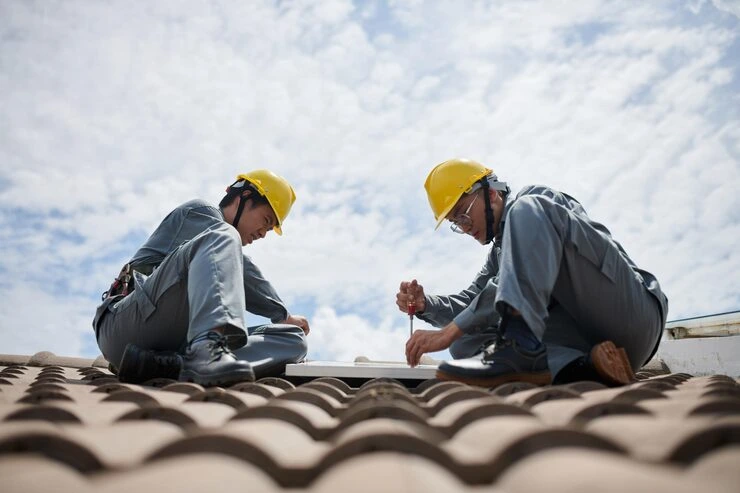
How Do You Know If You Need a New Roof? (Start Here)
The first thing most homeowners want to know is whether they’re looking at a repair or a full replacement. Here’s the reality: not every damaged roof needs to be replaced, but every damaged roof needs to be inspected.
The warning signs below fall into two categories:
- Repair territory — Isolated damage, localized leaks, minor shingle issues. These are fixable if caught early.
- Replacement territory — Systemic failure, widespread damage, structural compromise. Repair won’t hold.
We’ll flag which category each sign falls into as we go.
10 Warning Signs Your Roof Needs Immediate Repair in Orlando
1. Water Stains or Wet Spots on Your Ceiling
A water stain on your ceiling means water has already made it through your roof deck, insulation, and into your living space.
What it means: A leak is active or has been active. Even if the stain is “old,” you need to find out if it’s still happening.
Repair or replace? Usually repair — if caught before the deck rots. Ignored leaks quickly escalate to replacement territory.
What to do: Don’t just paint over it. Call a licensed roofer for an inspection within 48 hours. Understanding what causes these leaks in the first place can help — see our guide on common causes of roof damage in Florida homes.
2. Missing, Cracked, or Curling Shingles
After any significant storm — and Orlando gets plenty of them from June through November — walk your property and look up. Missing shingles leave your roof deck completely exposed. Cracked or curling shingles are failing and no longer creating a watertight seal.
What it means: Your shingles have reached the end of their serviceable life or sustained wind/impact damage.
Repair or replace? A few missing shingles after a storm = repair. Widespread curling across multiple roof planes = likely replacement.
Red flag: In Florida, if wind damage is the cause, your homeowner’s insurance may cover the repair or replacement. Document everything with photos before any work begins.
3. Granules in Your Gutters
Asphalt shingles are coated with granules that protect against UV rays — and Florida’s sun is brutal. When you clean your gutters or watch the downspouts during a rain, are you seeing dark, gritty material coming out?
What it means: Your shingles are losing their protective coating. Once granules are gone, shingles deteriorate rapidly, especially in Central Florida’s heat.
Repair or replace? If it’s one small area, possibly repair with shingle replacement in that zone. Granule loss across the whole roof = replacement conversation.
How to check: Look in your gutters after rain. Significant granule buildup is a sign your roof is aging past its useful life.
4. Sagging Roof Deck
This one is serious. If any section of your roof appears to be sagging, dipping, or has a visible depression when viewed from the street or a ladder, you’re looking at a structural issue.
What it means: The roof deck has been compromised — either by prolonged moisture, rot, or structural damage. This is beyond surface-level repair.
Repair or replace? Almost always full or partial replacement. This is a safety issue — don’t delay.
Orlando-specific note: Florida’s high humidity accelerates wood rot. A sagging deck that might take years to develop in a drier climate can appear much faster in the Orlando area. This is one of the common causes of roof damage in Florida that homeowners most often underestimate.
5. Daylight Through the Roof Boards
Go up into your attic on a bright day. If you can see pinpoints or streams of daylight coming through the roof boards, that’s a serious problem. If light can get in, so can water.
What it means: Gaps or holes exist in your roof deck. This may also mean your shingle layer has failed at those points.
Repair or replace? Depends on how widespread the gaps are. Any daylight at all warrants an immediate professional inspection.
6. Damaged or Missing Flashing
Flashing is the metal installed around chimneys, vents, skylights, and roof edges.
What it means: Cracked caulking, rust, lifted or missing flashing sections leave vulnerable gaps where two surfaces meet — exactly where water wants to go.
Repair or replace? Flashing repair is one of the most affordable roofing fixes available. But ignored flashing damage causes significant structural damage over time.
Look for: Rust streaks on your exterior walls below roofline edges, or visible gaps around chimney bases or pipe boots.
7. Skyrocketing Energy Bills
If your AC is working harder than it used to and your Florida Power & Light bill has crept up without explanation, your roof may be the culprit.
What it means: A compromised roof allows heat to penetrate your attic and radiate into your living space. In Orlando’s summer heat, that’s a massive efficiency problem.
Repair or replace? Investigate ventilation and insulation first. If those are intact, the issue may be failing shingles or a damaged ridge vent. Proper roof maintenance in Orlando — including annual ventilation checks — prevents this problem from developing.
8. Moss, Algae, or Dark Streaking
Those dark black or green streaks on Orlando roofs aren’t just cosmetic. In Central Florida’s humid climate, algae and moss growth are extremely common — especially on north-facing slopes that stay shaded and moist.
What it means: Biological growth traps moisture against your shingles and accelerates their deterioration. Moss can lift shingle edges and allow water underneath.
Repair or replace? Soft washing can address early-stage growth. But if shingles underneath are already compromised, replacement sections may be needed.
Don’t: Pressure wash your shingles. Use a professional low-pressure soft wash with an appropriate treatment solution.
9. Your Roof Is Over 20 Years Old
Asphalt shingles in Florida have a shorter lifespan than in cooler, drier climates because of UV exposure, heat, and storm activity. Most 3-tab shingles installed in the late 1990s or early 2000s in Apopka, Ocoee, and Maitland neighborhoods are past their expected service life.
What it means: Even if your roof looks okay from the ground, shingles older than 20 years in Florida are likely failing in ways that aren’t visible without an inspection.
Repair or replace? At this age, a repair is often a short-term patch on a long-term problem. Read our full guide on when to choose roof installation instead of repair to understand exactly when the math tips toward full replacement.
10. Visible Roof Damage After a Storm
Orlando sits in the heart of Florida’s lightning belt and sees regular tropical weather events from June through November. After any significant storm, walk your property and look.
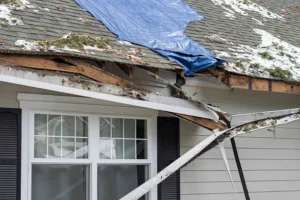
Look for: Dented or bruised shingles from hail, visibly missing sections, bent gutters, debris impact points, or exposed underlayment.
What to do: Document everything with photos or video immediately. Contact your homeowner’s insurance carrier and a licensed roofing contractor — in that order — before any repairs begin.
Signs Roof Needs to Be Replaced vs. Repaired: Quick Reference
| Warning Sign | Likely Repair | Likely Replacement |
|---|---|---|
| 1–3 missing shingles | ✅ | |
| Widespread curling/cracking | ✅ | |
| Single flashing leak | ✅ | |
| Sagging deck | ✅ | |
| Granules in gutters (localized) | ✅ | |
| Granules in gutters (widespread) | ✅ | |
| Water stain (new/isolated) | ✅ | |
| Multiple active leaks | ✅ | |
| Roof under 15 years old | ✅ | |
| Roof over 20 years old in Florida | ✅ | |
| Daylight through deck | ✅ |
Not sure which side of the line you’re on? Our roof repair vs replacement guide for Orlando walks through the full decision framework with the 30–50% cost rule and Florida’s 25% building code trigger.
What Happens If You Ignore These Signs?
A small flashing leak ignored through one rainy season leads to rotted decking. Rotted decking means a full deck replacement on top of the shingle replacement.
The math is simple: early repair costs a fraction of delayed replacement.
How Much Does Roof Repair Cost in Orlando FL?
The cost of roof repairs depends on the type of damage and how far it has spread, and catching damage early keeps the job smaller.
What drives repair costs higher in Orlando specifically:
- Roof age and parts availability — Pre-2010 systems require harder-to-source materials, adding time and cost
- Material type — Tile repair requires matching existing profiles; clay tile work runs higher than asphalt shingle repairs
- Permit requirements — Orange County requires permits for structural deck work; a licensed contractor handles this correctly; an unlicensed one skips it and creates liability for you
Always get at least 2–3 written estimates. For a full breakdown of every repair type and cost factor, see our complete roof repair cost guide for Orlando.
Red flags when getting quotes:
- No written estimate before work starts
- No Florida DBPR license number provided on request
- Requires full payment upfront
- Pressures you to sign same-day without a proper inspection
- No local address or verifiable physical office
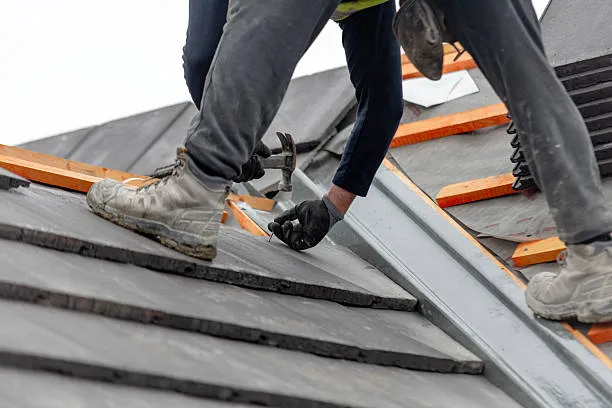
How to Choose a Roofing Contractor in Orlando
In Florida, a roofing contractor must hold a Florida DBPR Roofing Contractor License. Verify any contractor at myfloridalicense.com before signing anything.
What to look for:
- Active Florida DBPR Roofing License (Class CCC or better)
- General liability insurance
- Workers’ compensation coverage
- Local references and verifiable Google/BBB reviews
- Written scope of work and warranty documentation
Service Area: Orlando and Surrounding Communities
We serve homeowners throughout the greater Orlando metro, including:
Winter Park · Kissimmee · Sanford · Apopka · Ocoee · Maitland · Altamonte Springs · Dr. Phillips
Frequently Asked Questions About Roof Repair Signs in Orlando
How do you know if you need a new roof or just a repair? The key factors are age, damage scope, and cost. If your roof is under 15 years old and the damage is isolated — a few missing shingles, a single flashing leak — repair is almost always the right call. If it’s over 20 years old in Florida, has widespread shingle failure, sagging, or multiple active leaks, replacement is usually the more cost-effective long-term decision. A licensed Orlando roofer can give you an honest assessment after a proper inspection.
How can you tell if you need a new roof from the inside? Head to your attic during the day. Look for daylight coming through the boards, water stains or wet spots on the decking, dark streaks indicating moisture trails, or any soft or spongy areas when you press on the decking. Inside the home, water-stained ceilings and peeling paint near exterior walls are interior signs of an active or past roof leak.
What are the most common signs a roof needs replacing in Florida? Signs worth having inspected include granule loss across large roof sections, algae or moss that has damaged the shingles underneath, widespread storm damage, and sagging or rotted decking. Florida’s climate accelerates roof aging compared to most of the country.
How much does roof repair cost in Orlando in 2026? Costs vary by repair type and by how far the damage has spread. Always get 2–3 written quotes from licensed Florida DBPR contractors before committing.
What should I do immediately if I think my roof is damaged? First, document everything with photos or video before any cleanup or repairs. Contact your homeowner’s insurance carrier to report potential damage. Then call a licensed Orlando roofing contractor for an inspection — many offer free storm damage inspections. Don’t climb on the roof yourself and don’t let anyone start repairs without a written scope of work in hand.
Does homeowner’s insurance cover roof damage in Orlando? Florida homeowner’s insurance policies typically cover sudden and accidental damage from storms, wind, and hail. They generally don’t cover damage from neglect or normal wear and tear. Florida has specific assignment of benefits laws that affect how roofing claims are handled — always work with a contractor who’s familiar with Florida insurance requirements.
How long does a roof last in Orlando FL? Asphalt shingles typically last 15–25 years in Central Florida — shorter than the national average due to UV exposure, heat, and storm activity. Metal roofs can last 40–70 years. Tile roofs, common in the Orlando area, can last 30–50 years with proper maintenance. If your asphalt roof is approaching 20 years, schedule a professional inspection even if there are no visible problems.
Don’t Wait Until a Small Leak Becomes a Big Problem
Most roof damage is completely manageable when caught early.
It won’t.
If you’ve spotted any of the warning signs in this guide — or you just haven’t had your roof inspected in a few years — the right move is a professional inspection. In Orlando, that’s especially true heading into hurricane season.
Call for a free roof inspection. We serve Winter Park, Kissimmee, Sanford, Ocoee, Apopka, Altamonte Springs, and all surrounding Orlando communities.