The best roof maintenance tips for Orlando homeowners all come down to one rule: act early, act consistently. A twice-yearly inspection, clean gutters, treated algae, and functioning flashing — done on schedule — prevent the majority of the costly emergency calls we respond to across Orange County every summer. What starts as a $200 maintenance task in April becomes a $2,000 emergency in July. Florida’s climate doesn’t give roofs any grace period.
In our 14 years completing over 800 roofing projects across Orlando, Winter Park, Kissimmee, Sanford, and Central Florida, these are the seven steps that actually make a difference. Not generic national advice — Florida-specific, storm-season-specific, and climate-specific.
The 7 Best Roof Maintenance Tips for Orlando FL Homes
Tip 1: Schedule Professional Inspections Twice Per Year
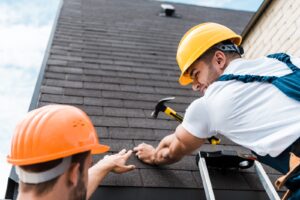
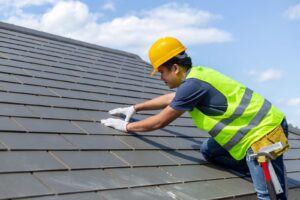
Two inspections per year is the baseline — one in April or May before hurricane season starts June 1, and one in December after it closes. This schedule catches pre-season vulnerabilities that storms will exploit, and post-season damage that silently worsens through winter.
Orlando roof inspections run $0–$320 — many Florida DBPR-licensed contractors, including our team, offer them free. A $200 inspection that catches a small vent leak costs $400–$600 to repair. The same problem discovered six months later — after water has spread through insulation and drywall — costs $5,000–$12,000.
What a licensed inspection catches that you won’t see from the ground: lifted shingle tabs, nail pops, hairline flashing cracks, and early granule loss on interior shingle sections. These are the issues responsible for most of the unexpected replacement calls we get from Thornton Park and Dr. Phillips homeowners every summer.
Schedule your free inspection before the next hurricane season window opens.
Tip 2: Clean Your Gutters After Every Storm Season
Gutters are roof maintenance — not landscaping. When gutters clog in Orlando with palm fronds, oak leaves, pine needles, and storm debris, water backs up under roofing material during the next heavy rain. Clogged gutters are one of the most avoidable causes of fascia rot and structural damage we see across Orange County.
The average Orlando homeowner spends $119–$230 on gutter cleaning. Clean twice per year minimum: once in late May before hurricane season and once in December after it ends. If your home is under significant tree canopy — common in Sanford, Winter Park, and established Orlando neighborhoods — quarterly cleaning is worth the investment.
DIY or pro? Single-story homes are manageable DIY. Two-story homes and tile roofs should use a professional — tile is fragile underfoot and ladder placement on multi-story homes creates real fall risk.
For more on how neglected gutters contribute to larger damage, see our common causes of roof damage in Florida homes.
Tip 3: Treat Algae and Biological Growth Before It Spreads
Those dark streaks on Orlando roofs aren’t cosmetic. They’re Gloeocapsa magma — a cyanobacteria that feeds on limestone filler in asphalt shingles, retains moisture against the surface, and accelerates granule loss. Left untreated, algae shortens shingle life measurably.
Professional roof cleaning in Florida runs $300–$1,200 depending on roof size and severity. Soft washing — low-pressure sodium hypochlorite application — is the only correct method for Florida asphalt shingle and tile roofs. Never pressure wash — it strips protective granules and voids manufacturer warranties.
If you’re seeing green moss patches on north-facing sections in Altamonte Springs or Lake Mary — especially under tree canopy — that’s an urgent maintenance item, not a cosmetic one. Zinc or copper ridge strips after cleaning release trace metal ions that inhibit regrowth, significantly extending time between treatments in Central Florida’s year-round humidity.
Tip 4: Trim Trees and Overhanging Branches
Trim any branches hanging within six feet of your roof. In Central Florida, this has a hurricane-specific dimension that matters more than anywhere else: a branch scraping your Kissimmee roof on a windy afternoon becomes a projectile in a Category 1 storm.
Beyond impact risk, dense tree canopy directly over your roof accelerates algae growth by keeping the surface damp longer after rain. The most algae-heavy roofs we inspect across the Orlando metro are almost always under heavy tree canopy — and the homeowners are regularly shocked by how much growth has accumulated on sections invisible from the ground.
For larger trees close to the home, a certified arborist assessment before hurricane season is worth the cost.
Tip 5: Inspect and Maintain Flashing at Every Penetration
Flashing seals the joints around chimneys, vents, skylights, AC equipment curbs, and wall intersections. In Orlando’s climate, flashing sealants dry out and crack faster than in cooler states — UV exposure and thermal cycling that bake your roof year-round also crack and shrink the caulk keeping flashing watertight.
Most homes have 8–15 penetrations. Each is a potential water entry point. One of the clearest warning signs you need a new roof — or at minimum immediate attention — is active leaking near any penetration when shingles around it look intact. That pattern almost always means flashing failure, not shingles. Flashing repairs run $200–$800 and are a repair situation when caught early.
Walk your exterior twice a year and check each penetration from the ground. Rust streaking, lifted metal edges, or cracked caulk warrants a professional look. Contact our roof repair in Orlando team if you spot any of these.
Tip 6: Check Your Attic Ventilation and Moisture Levels
Poor ventilation traps heat and moisture, shortening shingle and underlayment life from below while Florida’s sun shortens it from above. This is the maintenance task most Orlando homeowners skip entirely — and it’s responsible for some of the most expensive roof failures we see.
A roof failing from the inside out shows no warning signs from the ground until the damage is severe. Signs to check annually in your attic: water stains or dark streaking on rafters, wet or discolored insulation, musty odor that wasn’t there before, and any daylight visible through the deck.
Good attic ventilation — properly balanced soffit and ridge vents — keeps moisture levels manageable in Florida’s high-humidity climate. If your attic feels noticeably warmer and more humid than outdoor air on a dry day, ventilation is likely inadequate. Our common causes of roof damage in Florida homes guide covers how moisture damage progresses when left unaddressed.
Tip 7: Act on Small Repairs Before Storm Season Starts
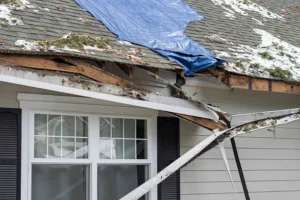
Every May, we respond to calls from homeowners across Kissimmee, Sanford, and Maitland who deferred a small repair in January — a missing shingle, a cracked pipe boot, loose flashing — and are now dealing with interior water damage after the first significant storm. It’s the most expensive and most preventable mistake we see.
Small repairs are genuinely inexpensive: a missing shingle runs $150–$400, a pipe boot replacement $150–$350. The same damage ignored through hurricane season becomes $1,500–$3,500 in structural deck repair with potential interior remediation on top.
The practical rule: if you see it in January, fix it by April. That’s the window. If repair cost makes you pause, our cheap roof repair guide for Orlando gives you the full 2026 pricing breakdown so you know what’s fair before calling anyone.
If you’re unsure whether repair is sufficient or whether you need a new roof entirely, our Roof Repair vs Replacement in Orlando guide walks through the decision framework for Central Florida homes.
What Florida Homeowners Should Never Do on Their Roofs
A few maintenance mistakes that are worse than doing nothing:
Never pressure wash asphalt shingles. High-pressure water strips protective granules, forces water under materials, and voids most manufacturer warranties. Soft wash only — always.
Never walk on a tile roof. Clay and concrete tile is durable against weather but brittle under point load. One hairline crack from improper walking runs $300–$500 to repair. A cracked section is significantly more.
Never ignore granules in your gutters. Isolated granule loss after a major storm is manageable. Consistent accumulation year-round — regardless of storm activity — is one of the clearest signs roof needs to be replaced in the near term. It signals systemic shingle failure, not local damage.
Never hire an unlicensed contractor. Florida requires a DBPR license for any roofing work over $1,000. Verify before signing at myfloridalicense.com. Unlicensed work voids homeowner’s insurance coverage for related claims and creates liability that follows the home through future sales.
Orlando Roof Maintenance Cost Snapshot (2026)
Here’s what proactive maintenance costs — and what each task prevents:
| Maintenance Task | Typical Orlando Cost | What It Prevents |
|---|---|---|
| Professional roof inspection | Free–$320 | $3,000–$12,000 in undetected damage |
| Gutter cleaning (standard home) | $119–$230 | $600–$1,500 fascia/soffit repair |
| Soft wash roof cleaning | $300–$1,200 | Premature shingle loss; 3–5 years added life |
| Flashing inspection + reseal | $200–$500 | $1,500–$4,000 interior water damage |
| Tree trimming (near roof) | $300–$800 | Storm impact damage, accelerated algae |
| Small shingle/boot repair (pre-season) | $150–$400 | $1,500–$3,500 deck repair post-storm |
The math is straightforward. A routine inspection costs a few hundred dollars. Skipping it risks repairs costing thousands — or a full replacement running $10,000–$42,000 in Florida depending on material and scope.
Frequently Asked Questions About Roof Maintenance in Orlando
How often should I follow roof maintenance tips in Orlando FL? At minimum: two professional inspections per year (spring and fall), gutter cleaning twice per year, and an algae soft wash treatment every 1–3 years depending on tree canopy and sun exposure. Florida’s climate — year-round UV, 50+ inches of annual rainfall, and hurricane season — makes consistent maintenance more critical here than in almost any other US market. The most genuinely inexpensive roof repair is the one you prevent through regular maintenance.
What is the cheapest way to maintain a roof in Florida? The cheapest maintenance approach is also the most effective: annual professional inspections (often free from licensed contractors), DIY gutter cleaning on single-story homes, and prompt attention to any single-shingle or flashing issue before storm season. The pattern we see repeatedly across Orlando homeowners is that deferred maintenance is always more expensive than the original task. A $150 pipe boot replacement deferred becomes a $1,500 deck repair within one rainy season.
Can I inspect my own roof in Orlando? You can do a basic ground-level visual check — look for missing shingles, visible algae streaking, granules in gutters, and obvious flashing issues near penetrations. What you cannot do from the ground: identify lifted shingle tabs, early underlayment failure, nail pops, hairline flashing cracks, or attic moisture issues. These are the problems that cause the most expensive damage and require a licensed professional on the roof and in the attic to diagnose. Schedule a licensed inspection at least twice per year.
What are the warning signs I need a new roof instead of just maintenance? Maintenance keeps a healthy roof healthy. But if you’re seeing any of these, you’re past maintenance and into replacement territory: widespread granule loss across multiple roof planes, shingles curling or cracking across more than one section, repeated leaks at different locations despite prior repairs, your roof is 18–20+ years old, or a Florida DBPR-licensed contractor has recommended replacement. Our Roof Repair vs Replacement in Orlando guide covers the full decision framework.
Keep Your Orlando Roof in Top Shape — Start With a Free Inspection
The seven roof maintenance tips above cost a fraction of what ignoring them costs. For anything you’re not sure about — a streak you noticed, granules at your downspout, a ceiling stain after last month’s storm — the fastest accurate answer is a licensed contractor on your roof.
Our Florida DBPR-licensed team provides free roof inspections across Orlando, Winter Park, Kissimmee, Sanford, Lake Mary, and Altamonte Springs. We inspect the full system — exterior, flashing, gutters, and attic — and give you a straight assessment. No pressure, no upsell.