Buying or selling an older house in Florida brings a document that can matter as much as the home inspection: the 4-point inspection. An insurer may ask for one before writing a policy, and the roof section can decide whether coverage is offered at all. This guide explains what the inspection covers, what happens to an older roof, what Florida law says about roof age, and how buyers and sellers can prepare.
What is a 4-point inspection in Florida?
A 4-point inspection is an insurance inspection of four systems in a house: the roof, the electrical system, the plumbing, and the heating and air conditioning. Insurers use it to decide whether an older home is insurable. It is not a full home inspection, and it is not a warranty of the systems inspected.
Citizens Property Insurance publishes a sample 4-Point Inspection Form that sets out the minimum detail it needs. The form says a Florida-licensed inspector must complete, sign and date it, and that the information is used only to determine insurability, not as a warranty or assurance of the suitability, fitness or longevity of any of the systems inspected.
Citizens also says that its specific form is not required, but that any other inspection report submitted must include at least the same level of detail. In March 2025 Citizens updated its 4-point and roof inspection forms to versions Insp4pt 03 25 and RCF-1 03 25, adding a photo of the water heater’s temperature pressure relief valve among other changes.
What is done during a 4-point inspection?
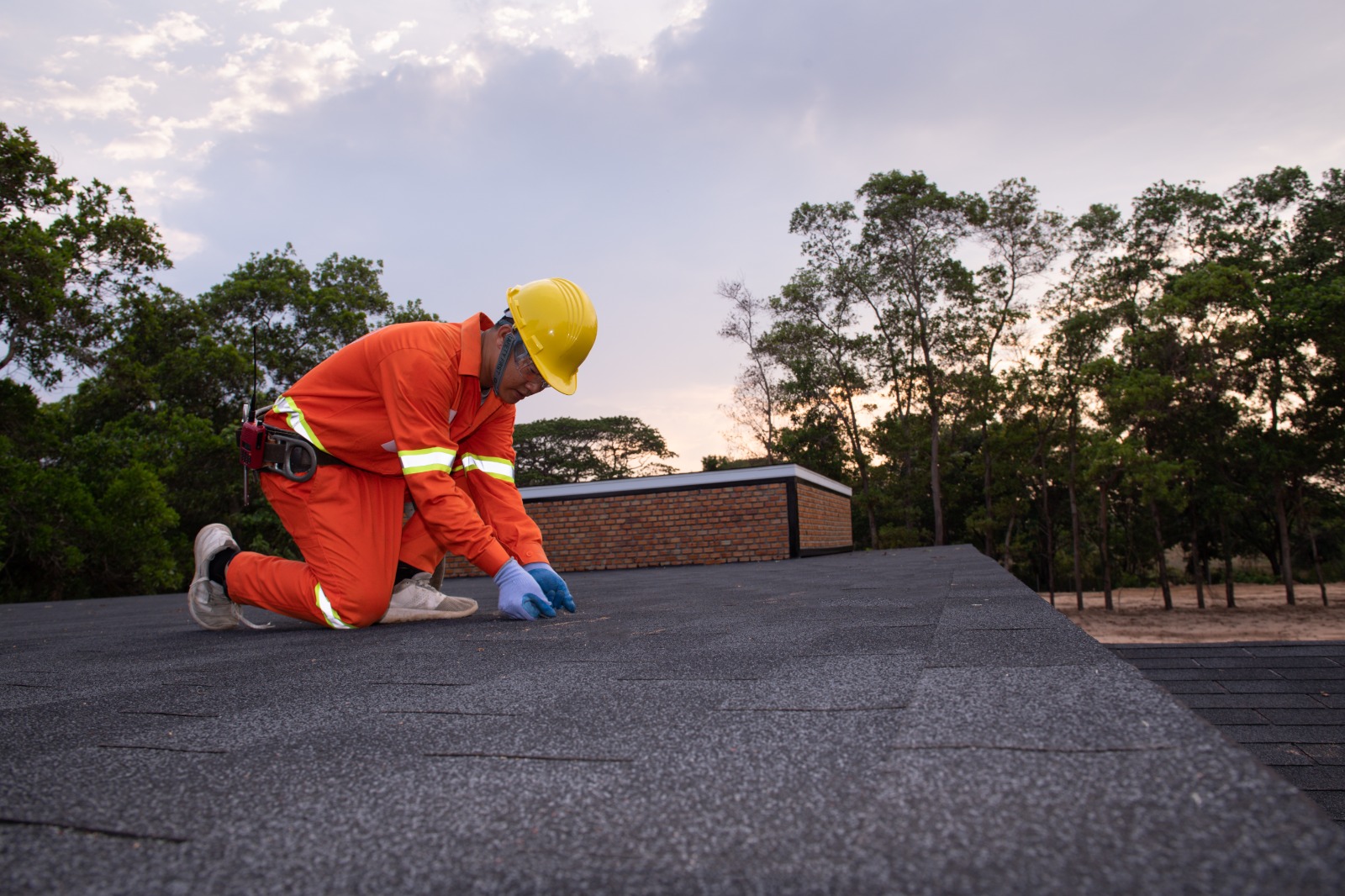
The inspector looks at each of the four systems, records its type, age and condition, notes any hazards, and photographs it. The Citizens sample form requires photos of each side of the house, each roof slope, the water heater and plumbing, and the main electrical panel with its cover off, plus any hazards found.
What the sample form asks about each system:
| System | What the inspector records |
|---|---|
| Roof | Covering material, roof age, remaining useful life, last permit date, full or partial replacement, condition, damage and leaks |
| Electrical | Panel type and amperage, wiring type, aluminum or knob-and-tube wiring, hazards such as double taps or scorching |
| Plumbing | Water heater relief valve, active or prior leaks, fixture condition, pipe age and type, including polybutylene |
| Heating and air conditioning | Central air and heat, working order, last service date, condensate line or drain pan leaks, system age |
The roof section can take the place of the separate roof inspection form when photos of each roof slope are included, the form says.
What do inspectors look for on the roof?
The roof section of the Citizens sample form asks for the covering material, the roof’s age, its remaining useful life, the last permit date, and whether any update was a full or partial replacement. It then lists visible damage to check, and asks about leaks in the attic and on interior ceilings.
The damage checklist on the form:
- Cracking of the roof covering.
- Cupping or curling of shingles.
- Excessive granule loss and exposed asphalt.
- Exposed felt underlayment.
- Missing, loose or cracked tabs or tiles.
- Soft spots in the decking.
- Visible hail damage.
- Signs of leaks on the underside of the deck in the attic, and on interior ceilings.
The form asks the same questions for a secondary roof covering, such as a low-slope section over a porch, so a house with two roof types is assessed on both.
Can you fail a 4-point inspection in Florida?
There is no pass mark on the form. The inspector marks each system satisfactory or unsatisfactory and records hazards, and the insurer decides whether the house meets its eligibility rules. An old roof with little remaining life, active leaks or hazardous wiring can lead an insurer to decline or require repairs first.
The Citizens form makes the point in its own words: Underwriting relies on the information to evaluate the property application. What counts as acceptable is set by each insurer’s underwriting rules, which is why the same house can be treated differently by different insurers.
Items that can cause a problem, from the form’s own hazard lists:
- Roof. Damage, leaks, or an age and remaining useful life outside the insurer’s rules.
- Electrical. Cloth wiring, active knob and tube, unremediated aluminum branch wiring, or hazards such as scorching and exposed wiring.
- Plumbing. Active leaks, a missing relief valve, or pipe types an insurer does not accept.
- Heating and air conditioning. Systems not in working order, or leaks from the condensate line or drain pan.
How does roof age affect insurance in Florida?
Florida law limits how insurers can use roof age. Under section 627.7011, an insurer may not refuse to issue or renew a homeowners policy solely because of the age of a roof less than 15 years old. For a roof at least 15 years old, the homeowner can have it inspected before the insurer requires replacement.
Section 627.7011 of the Florida Statutes sets out the rules:
| Rule | What the statute says |
|---|---|
| Under 15 years | An insurer may not refuse to issue or renew solely because of roof age |
| 15 years or older | The insurer must allow an inspection by an authorized inspector, at the homeowner’s expense, before requiring replacement as a condition of coverage |
| Five years of life | The insurer may not refuse solely because of roof age if the inspection shows 5 years or more of useful life remaining |
| How age is counted | From the last date 100 percent of the roof was built or replaced to the code then in effect, or the date of the initial partial replacement where later partial work was done |
That is why the remaining useful life field on the 4-point form matters. A roof past an insurer’s age guideline may still be insurable if a qualified inspection shows enough life left.
What are Citizens’ roof age rules?
Citizens set out its rules in a 2023 bulletin, which it now keeps online for historical purposes and notes may not reflect later changes. The bulletin lists required documents for roofs older than 25 years for shingle and other soft roofs, and 50 years for tile, slate, concrete or metal roofs.
The 2023 Citizens bulletin on roof rule changes made several points:
- Remaining useful life. Roofs over the maximum age could qualify with documentation showing at least five years of remaining useful life, up from three.
- Partial replacements. Where the whole roof was not replaced at once, roof age is based on the oldest part.
- Coverage period. For roofs that qualify, coverage is extended for up to five years even if the inspection shows more remaining life.
- Ongoing checks. Citizens may inspect at any time to confirm the roof still meets its requirements.
Because Citizens marks the bulletin as historical, check the current rules with your agent before relying on them for a purchase or sale.
Can you get insurance without a 4-point inspection?
It depends on the insurer and the house. Insurers set their own rules on when a 4-point is required, which can depend on the age of the home and its systems. Your insurance agent can tell you whether the insurer you are applying to requires one, and what form it accepts.
For buyers, the safest assumption is to ask early. The 4-point may be requested by the insurer after you apply, and if it raises a problem, there may be little time before closing to fix it. Ask the agent at the start of the purchase:
- Is a 4-point needed for this house with this insurer?
- Is a roof inspection or wind mitigation inspection also needed, or useful?
- Which form does the insurer accept, and how recent must it be?
- What happens if the roof is near or past the insurer’s age guideline?
How much does a 4-point inspection cost, and how long does it take?
There is no reliable single figure to give for either. The price and time depend on the size and age of the house, access to the attic, electrical panel and water heater, and whether the inspection is booked together with a home inspection or a wind mitigation inspection. Ask inspectors for a written quote.
What affects the cost and the time:
- House size. More roof slopes and rooms to photograph.
- Access. A clear attic hatch, panel and water heater speed things up.
- Number of systems. A second electrical panel or a second roof covering adds work.
- Combined inspections. Booking the 4-point with a home or wind mitigation inspection may change the price.
Have your roof permit date, any replacement paperwork and service records for the heating and air conditioning ready for the inspector.
What should sellers with an older roof do?
Get the paperwork together and know the roof’s condition before buyers ask. The roof’s age, permit date and any partial replacements feed straight into the 4-point form, and a buyer’s insurer will see them. A roof inspection before listing shows whether repairs or a replacement will be needed.
A seller’s checklist:
- Find the roof permit. The date of the last full replacement is the starting point for roof age under the statute.
- Gather partial replacement records. Under both the statute and Citizens’ bulletin, partial work affects how age is counted.
- Have the roof inspected. So damage and remaining life are known before a buyer’s inspector finds them.
- Fix leaks and damage. Items on the form’s damage checklist are what an insurer will see.
- Keep a wind mitigation form. If you have one, it is valid for up to five years and can help a buyer with premiums.
What is the biggest red flag in a home inspection for a Florida roof?
Active leaks and soft decking. The 4-point form asks specifically about visible leaks in the attic and on interior ceilings, and about soft spots in the decking. Those point to water already getting in, which is a repair question before it is an insurance question.
Other roof warning signs on the form include exposed felt, missing or cracked tiles, cupping or curling shingles and excessive granule loss. Each suggests a roof nearing the end of its life, which affects both the insurer’s view and the buyer’s budget.
Residential Roofing Orlando can inspect the roof before a sale or purchase, document its condition, and explain whether repair or replacement is the realistic option. See our roof inspection service or call (407) 305-0865.
Frequently asked questions
These are short answers to questions homeowners, buyers and sellers search about 4-point inspections in Florida. Each points back to a fuller section above. Check your insurer’s current rules before relying on any of them, because underwriting guidelines and accepted forms change, and confirm the details with your agent early in a purchase or sale.
What is done during a 4-point inspection in Florida?
A Florida-licensed inspector records the type, age and condition of the roof, electrical system, plumbing, and heating and air conditioning, notes hazards, and photographs each one, including every roof slope. Insurers use the form to decide whether an older home is insurable.
Can you fail a 4-point inspection in Florida?
There is no pass mark, but the inspector marks each system satisfactory or unsatisfactory and records hazards. The insurer then decides whether the house meets its rules. A roof with little remaining life, active leaks or hazardous wiring can lead to a refusal or a requirement for repairs.
What do inspectors look for in a 4-point inspection?
On the roof: material, age, remaining useful life, permit date, cracking, curling, granule loss, exposed felt, missing tiles, soft decking and leaks. On the other systems: wiring type and hazards, panel amperage, plumbing leaks and pipe type, and whether heating and cooling work properly.
Can you get insurance without a 4-point inspection in Florida?
It depends on the insurer and the house. Insurers set their own rules on when a 4-point is required, which can depend on the age of the home and its systems. Ask your agent early in a purchase whether one is needed and which form the insurer accepts.