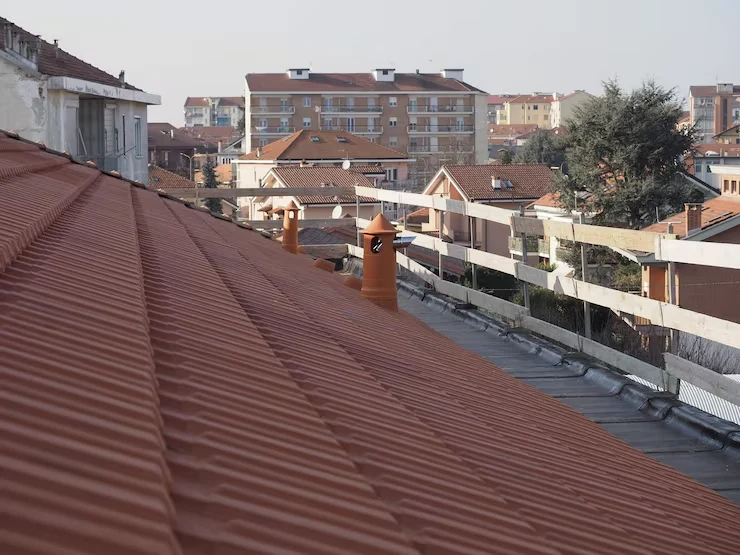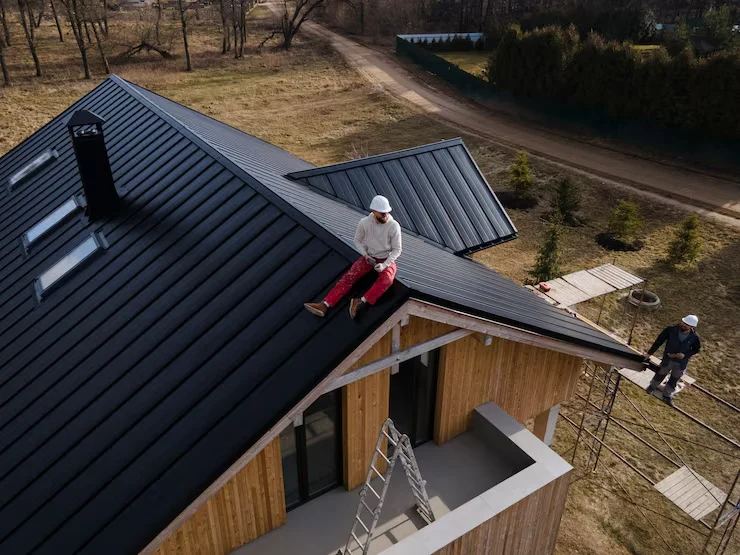
How long will your roof last here? The honest answer has two parts. The first is physical: how long the roof keeps water out in Orlando’s sun, rain and storms. The second is insurance: how long your insurer will accept it before asking for an inspection or proof of replacement. In Florida, the second answer often arrives before the first. This guide covers both.
How long does a roof last in Florida?
The National Roofing Contractors Association says most new roofs are designed to give useful service for about 20 years, and that some types, such as slate, clay tile and certain metals, can last longer. Real lifespan depends on climate, design, materials, installation and maintenance, and Orlando’s climate tests every one of them.
The NRCA’s statement is the most reliable general figure available. Manufacturers publish their own lifespan and warranty terms for individual products, and those vary from product to product. We do not repeat them here; read the warranty for the exact product you are quoted, because the product, not the material name, sets the terms.
What matters most for a Florida homeowner is that a roof can still be keeping water out while it is already past the age some insurers will accept without proof of its condition.
What shortens a roof’s life in Orlando?
Heat, sun, humidity, heavy rain and storms. Each wears a roof in a different way: sun and heat age the surface, humidity encourages algae and keeps wood damp, heavy rain tests every joint, and storms can lift or break the covering in a single day. Installation and maintenance decide how well a roof resists all of them.
Heat and sun
Dark roofs get very hot. The Department of Energy’s cool roof guidelines say traditional dark roofs can reach temperatures of 150°F or more in summer sun, while a cool roof under the same conditions could stay more than 50°F cooler. It also notes that typical dark roofs absorb 90 percent or more of incoming solar energy.
That heat is a daily load on the roof’s surface and on the attic beneath it. On asphalt shingles, wear shows over time as curling, cracking and granule loss, which are all items an insurance inspector records. Choosing a lighter or reflective covering at re-roof is one way to reduce the heat load, and the DOE says cool roofs achieve the greatest savings in hot climates. Good attic ventilation matters too, because it helps heat and moisture leave the space under the deck.
Humidity and algae
Central Florida’s humidity encourages algae. The Asphalt Roofing Manufacturers Association says algae discoloration is most widespread in the Gulf States and in warm, humid conditions, and that almost all types of roofing can be affected. It treats the streaks as discoloration rather than damage.
The bigger concern with humidity is moisture that stays in the roof. A deck that is wetted by small leaks and slow to dry can soften over time, and attic condensation can add to it. ARMA also warns never to power wash an asphalt roof, because high-pressure washing is likely to damage it, so cleaning should never become a cause of wear in its own right. Keeping gutters clear and the attic ventilated helps the roof dry out after Orlando’s frequent storms.
Rain and storms
Orlando’s summers bring frequent heavy rain. The National Weather Service notes that central Florida leads the country in thunderstorm days, with more than 80 a year, and the Atlantic hurricane season runs from June 1 to November 30.
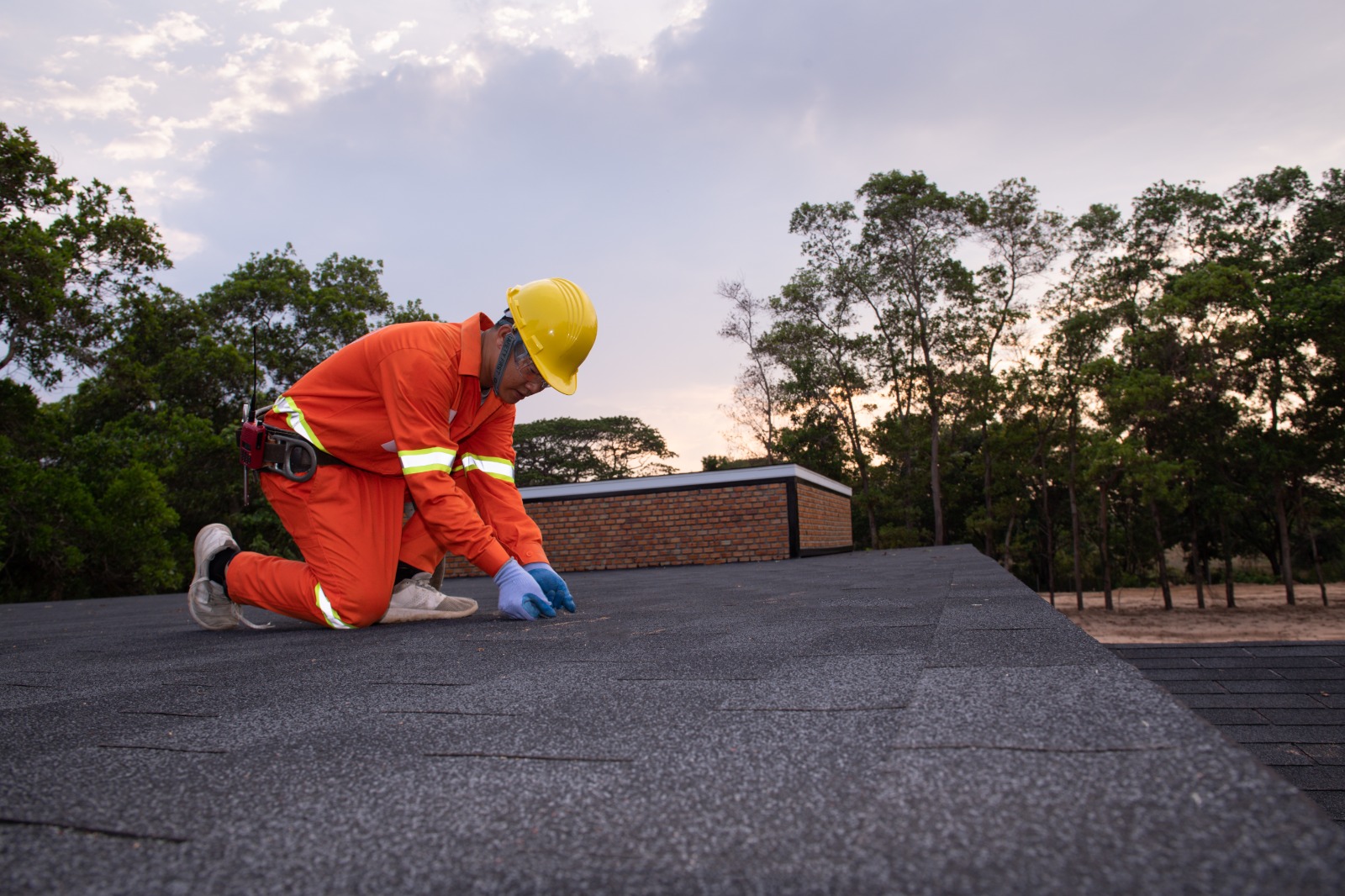
Every storm tests the roof’s weakest points: flashing, seals around vents, valleys, the roof edge and any lifted or damaged covering. A single hurricane can do more damage in a day than years of normal wear, which is why a roof’s real life in Florida can be much shorter than its design life. Having the roof checked after major storms, and fixing small problems quickly, protects the rest of its life. Record each storm inspection, so you have a history to show an insurer or buyer later.
How can you make a roof last longer?
Look after the things that wear it out. Have the roof checked after major storms and fix small problems quickly, keep gutters clear so water leaves the roof edge, keep the attic ventilated so the deck can dry, and never power wash shingles. Small, early repairs protect the rest of the roof’s life.
A maintenance routine that fits Orlando’s climate:
- After every major storm, have the roof checked from the ground and, if anything looks wrong, by a professional.
- Twice a year, clear gutters and downspouts so water does not back up under the roof edge.
- When you see them, have lifted, cracked or missing shingles and tiles repaired before the next storm.
- Trim branches that overhang the roof, so debris does not collect and the roof dries faster.
- Never power wash an asphalt roof. ARMA warns that high-pressure washing is likely to damage it (ARMA).
Keep a dated record of every inspection and repair, with photos where you have them. It helps you plan replacement, and it gives an insurer or a buyer evidence of how the roof has been looked after.
Does the roofing material change how long it lasts?
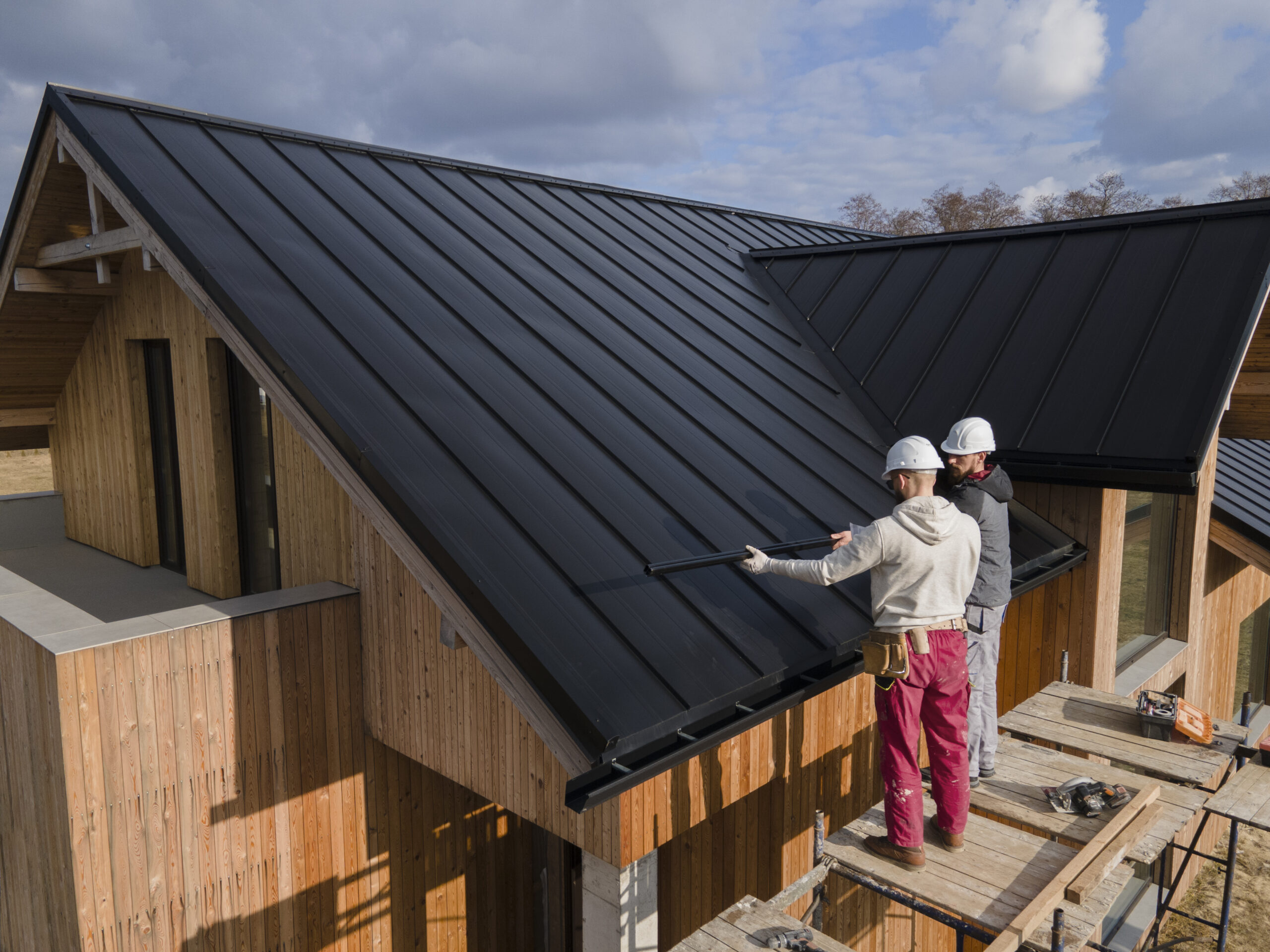
Yes, but within limits nobody can promise in advance. The NRCA says some types, such as slate, clay tile and certain metals, can last longer than the roughly 20 years most roofs are designed for. How long any roof actually lasts still depends on installation, maintenance and the storms it meets.
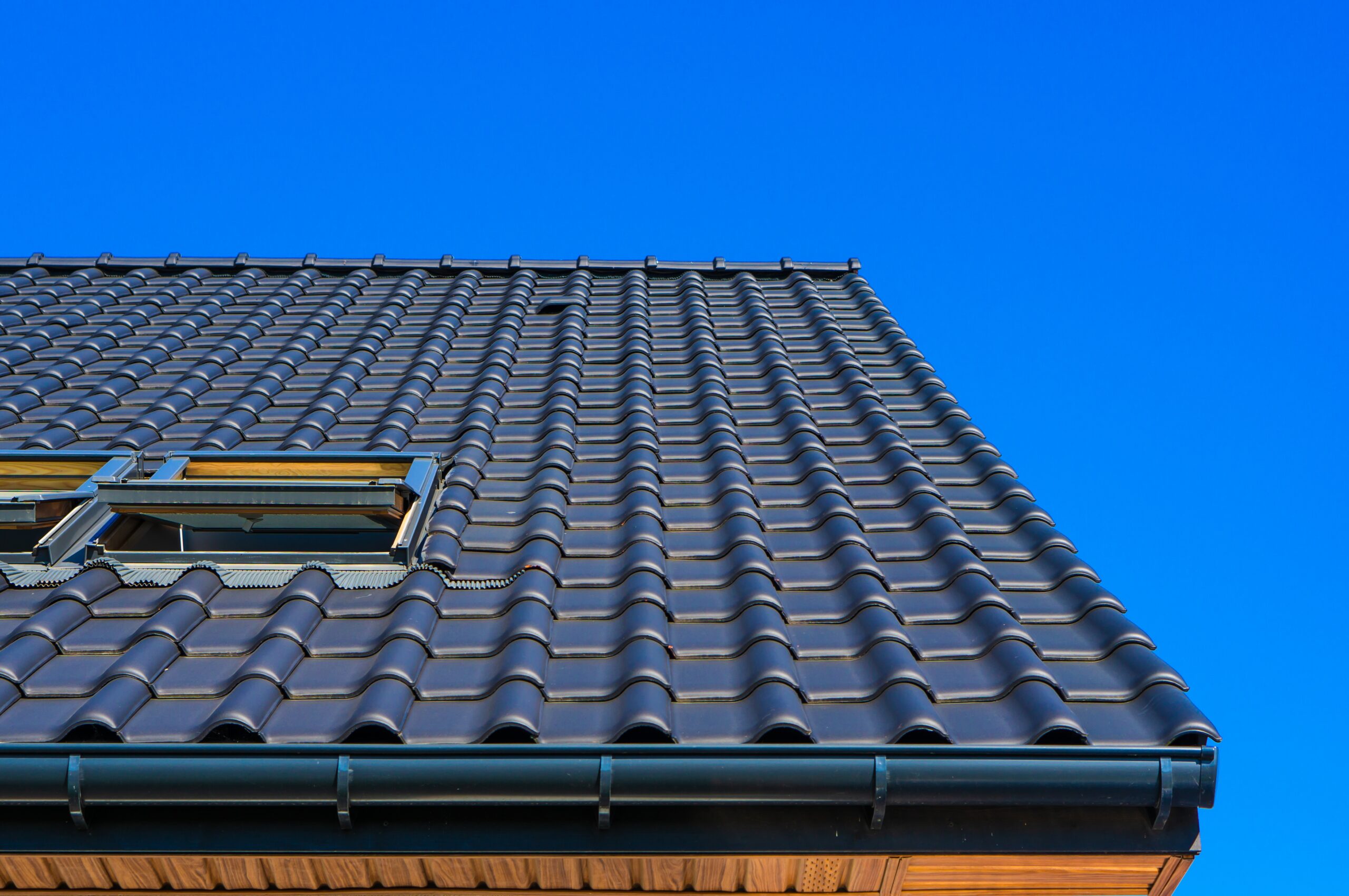
Insurers already reflect the difference in their age rules. Citizens allows tile, slate, concrete and metal roofs up to 50 years before asking for proof of replacement, against 25 years for shingle and other types. For product-by-product figures, read the manufacturer’s written warranty for the exact covering you are quoted, rather than a general claim about the material.
How long will Florida insurers accept a roof?
That depends on the insurer and the roof type. State law limits refusing a roof under 15 years old on age alone. Citizens sets its own lines: 25 years for shingle and 50 years for tile, slate, concrete or metal, after which it asks for proof of replacement or five years of documented remaining life.
Under section 627.7011, for policies issued or renewed on or after July 1, 2022:
- An insurer may not refuse to issue or renew solely because a roof is under 15 years old.
- For a roof at least 15 years old, the insurer must allow an inspection before requiring replacement, and may not refuse or non-renew solely over age if the inspection shows 5 or more years of useful life left.
- Roof age counts from the last date the whole roof surface was built or replaced to the code in force at the time.
Citizens’ March 2023 bulletin adds that roof age is based on the oldest part of the roof. Replacing one slope does not make an old roof new.
Will insurance cover a 15-year-old roof in Florida?
It can. A roof reaching 15 years does not automatically lose coverage. Under Florida law, the insurer must allow an inspection before requiring replacement, and may not refuse or non-renew solely over age if the inspection shows at least 5 years of useful life left. Other lawful reasons for declining still apply.
Practical steps as your roof approaches 15 years:
- Find its real age from permit records, not the age of the house.
- Get a written inspection of its condition and remaining useful life from an authorized inspector.
- Ask your insurer how it treats your roof’s age and what documentation it accepts.
Is a 20-year-old roof considered old?
By the NRCA’s general figure, a 20-year-old roof is at the point where most roofs reach the end of their designed service life, although some types last longer. For insurance, a 20-year-old shingle roof is past the 15-year line in state law and approaching Citizens’ 25-year line.
Whether it needs replacing depends on its condition, the roof type and how it has been maintained, not on the number alone. An inspection that records the roof’s age, its remaining useful life and any damage will tell you more than its age alone.
How do you find out how old your roof is?
Check permit records. A full re-roof needs a permit, and the most recent re-roof permit and its final inspection date are the best evidence of your roof’s age. Citizens accepts permits, county records and contractor documents with paid invoices as proof of replacement, but not inspection forms.
Where to look:
- Unincorporated Orange County: the county’s roof permit page points to its permit records.
- City of Orlando: the city’s permits and inspections page explains how to look up a permit by address or parcel ID.
Citizens says the mitigation form, 4-point form and roof inspection form are no longer accepted as proof of replacement. The 4-point form itself asks for the roof’s age, its remaining useful life and the date of the last roofing permit.
How often should a roof be replaced in Florida?
There is no fixed schedule. Replace a roof when its condition, not its age alone, says it is near the end: widespread wear, repeated leaks, a weakened deck, or an insurer that will no longer accept it without proof of replacement. Regular inspections let you plan the timing rather than react to a failure.
Citizens’ 4-point inspection form lists the damage an inspector records: cracking, cupping or curling, excessive granule loss, exposed asphalt or felt, missing or cracked shingles or tiles, soft spots in decking and visible hail damage. When several of those show up across the roof, it is time to plan.
What does a replacement cost, and is there help?
National cost guides put a typical replacement at $5,902 to $13,377 (HomeAdvisor) or $7,500 to $14,000 (Fixr), checked on October 2, 2026. Neither publishes a Florida range. There is no state program that replaces roofs for free, but My Safe Florida Home funds certain wind upgrades for eligible homes.
The figures come from HomeAdvisor and Fixr, and are national averages, not this business’s prices. My Safe Florida Home’s homepage said inspections and grants were available when we checked on October 2, 2026. If your roof is nearing the end of its life, Residential Roofing Orlando can inspect it and give you a written assessment of its remaining life. See our roof replacement service or call (407) 305-0865.
Frequently asked questions
These are short answers to questions homeowners search about roof life in Florida. Each points back to a fuller section above, where the sources sit. Insurance rules differ between insurers, so confirm how yours treats your roof’s age before you act.
How long does a roof last in Florida?
The NRCA says most new roofs are designed for about 20 years, with some types, such as clay tile and certain metals, lasting longer. Orlando’s heat, humidity, rain and storms all affect how long a particular roof actually lasts.
Will insurance cover a 15-year-old roof in Florida?
It can. Florida law requires insurers to allow an inspection before requiring replacement of a roof at least 15 years old, and bars refusing or non-renewing solely over age if the roof has 5 or more years of useful life left.
What is the new law in Florida about roofs?
Section 627.7011 limits insurers refusing roofs under 15 years old over age alone and adds an inspection route for older roofs. Section 553.844(5) limits code work on repairs to roofs built to the 2007 Florida Building Code or later.
Is there a Florida roof relief program for 2026?
My Safe Florida Home offered free wind mitigation inspections and grants for approved upgrades when we checked on October 2, 2026. It is not a free roof replacement program, and eligibility rules apply.