Soft, crumbling wood at the edge of the roof, paint that will not stay on, and soffit panels sagging or hanging loose: these are the signs of fascia and soffit damage, and it is easy to assume the only answer is to keep painting over it. It is usually fixable. This guide explains what the fascia and soffit do, why they rot, how Florida’s building code treats them, and what a proper repair involves.
What are the fascia and soffit, and what do they do?
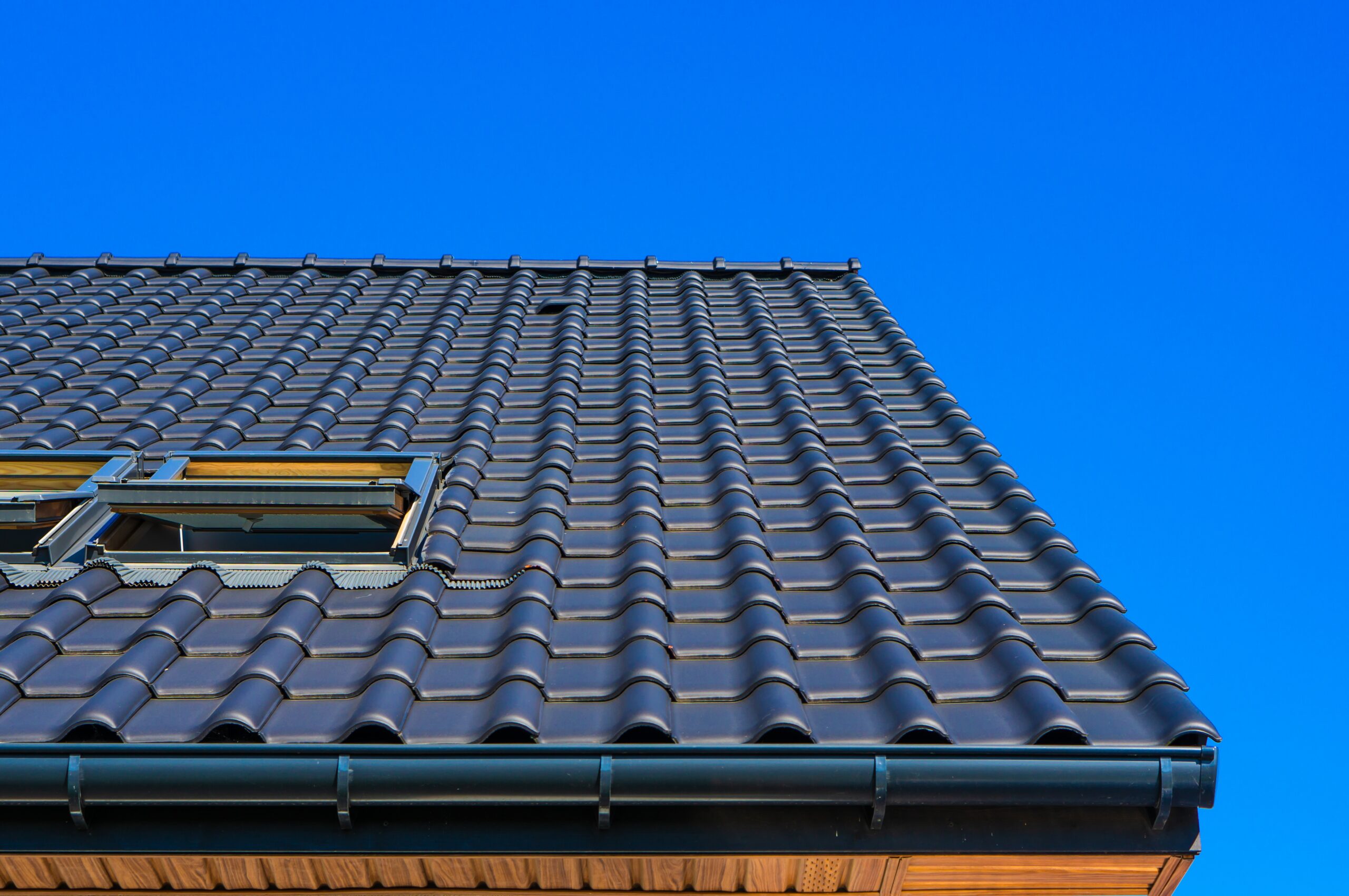
The fascia is the board running along the roof edge, where the gutter usually hangs. The soffit is the panel closing the underside of the overhang, between the fascia and the wall. Together they close off the eaves, carry the gutter, support the drip edge and, where vented, let air into the attic.
Each part does a specific job:
| Part | Where it is | What it does |
|---|---|---|
| Fascia | Vertical board at the roof edge | Closes the ends of the rafters and carries the gutter and drip edge |
| Subfascia | Framing behind a fascia cover | Gives aluminum fascia and soffit panels something to fasten to |
| Soffit | Underside of the overhang | Closes the eaves against weather and animals, and can hold intake vents |
| Drip edge | Metal flashing over the fascia | Turns water off the roof edge and away from the wood |
Because they sit at the bottom of the roof, the fascia and soffit receive the water that runs off it. When the drip edge, gutters or roof covering fail to move that water away, the wood behind them stays wet, and wet wood is where the trouble starts.
Why does fascia and soffit rot in Central Florida?
Water reaching the wood and not drying out. A missing or short drip edge, an overflowing or blocked gutter, a roof leak at the eave or wind-driven rain getting behind the trim can all keep the fascia and soffit damp. Orange County’s hot and humid climate gives wet wood little chance to dry between storms.
Orange County sits in the hot and humid 2A zone in the Department of Energy’s climate region guide. The Environmental Protection Agency’s guide to mould and moisture says the key to mould control is moisture control, recommends drying wet materials within 24 to 48 hours, and lists cleaning and repairing roof gutters regularly among its steps to prevent moisture problems.
The usual routes for water into the roof edge:
- No drip edge, or one that is too short. Water runs off the shingles and back along the underside of the edge onto the fascia board.
- Gutters that overflow. A blocked or sagging gutter spills water behind itself, straight onto the fascia.
- A leak at the eave. Damaged shingles or underlayment at the lowest course let water into the deck edge and down onto the trim.
- Wind-driven rain. Storms push water sideways under loose soffit panels and fascia covers.
- Paint failure. Once the paint film cracks, bare wood soaks up water at every joint and nail hole.
Can damaged fascia and soffit be repaired?
Yes. Rotted sections of fascia, subfascia and soffit can be cut out and replaced with new material, and damaged soffit panels can be replaced without redoing the whole house. The repair only lasts if the source of the water is fixed at the same time, usually the drip edge, gutter or roof edge above it.
A sound repair follows a simple order:
- Find the water source. Look at the drip edge, the gutter and the lowest roof course before touching the wood.
- Open up the damage. Remove the gutter and any aluminum covers so the full extent of the rot can be seen.
- Cut back to sound wood. Rot can run further along a board than the surface suggests.
- Check the rafter tails and deck edge. If water has reached the framing or sheathing, that is repaired too.
- Replace and seal. New fascia and subfascia, primed and painted on all sides, or covered with aluminum fascia.
- Reset the drip edge and gutter. So the water is turned away from the new wood.
Painting over soft wood, or wrapping it in aluminum without replacing it, hides the problem rather than fixing it. The rot keeps spreading behind the cover, and fasteners into decayed wood lose their hold.
Can you replace a soffit without removing the fascia?
Yes, if the fascia behind it is sound. Vinyl and aluminum soffit panels slide into channels or fasten to a nailing strip, so a damaged panel can be replaced from below. If the fascia or subfascia that holds the panel’s edge is rotten, though, it has to be repaired first, or the new soffit has nothing sound to fasten to.
Florida’s code makes the fascia part of the soffit’s support. Under section R704.2.1 of the Florida Building Code, Residential, 2023 (8th edition), vinyl and aluminum soffit panels must be fastened at both ends to a supporting component, such as a nailing strip, fascia or subfascia, using corrosion-resistant fasteners. Where the unsupported span is greater than 12 inches, intermediate nailing strips are required unless the manufacturer’s product approval allows a larger span.
That is why the condition of the fascia matters even when only the soffit looks damaged. A soffit panel fastened into soft wood can pull loose in a storm, and an opening at the eaves lets wind and rain into the attic.
What does Florida’s building code require for soffits and fascia?
Soffits and their attachments must resist the wind loads the code sets for walls. Panels must be installed to the manufacturer’s product approval, with corrosion-resistant fasteners at both ends, and aluminum fascia must be tucked under the drip edge and fastened to set spacing. Vented soffits must also keep out animals.
The relevant sections of the Florida Building Code, Residential, in plain terms:
| Section | What it says |
|---|---|
| R704.1 | Soffits and their attachments must resist the wind loads specified for walls, using an effective wind area of 10 square feet |
| R704.2.1 | Vinyl and aluminum soffit panels fastened at both ends to a nailing strip, fascia or subfascia, with intermediate strips beyond a 12-inch unsupported span unless the product approval allows more |
| R704.2.2 | Fiber-cement soffit panels at least 1/4 inch thick, with joints over framing or sheathing |
| R704.3 | Aluminum fascia at least 0.019 inches thick, fastened with aluminum or stainless steel, and the drip edge must comply with R905.2.8.5 |
| R704.3.1 | Where design wind pressure is 30 psf or less, the fascia goes under the drip edge, covered by at least half the drip edge height or 1 inch, whichever is greater |
| R806.2 | Vent openings must be protected to keep out birds, rodents, snakes and similar creatures |
The wind requirement is the important one in Central Florida. A loose soffit is not only a cosmetic problem: once a panel is gone, the open eave is a path for wind-driven rain into the attic and onto the ceiling below.
How does the drip edge protect the fascia?
The drip edge is the metal flashing at the roof edge. It carries water off the roof and past the fascia, instead of letting it run back along the underside of the deck onto the wood. Florida’s code requires drip edge at the eaves and gables of shingle roofs, extending below the sheathing.
Section R905.2.8.5 of the Florida Building Code, Residential, chapter 9 sets out the detail:
- Where: at the eaves and gables of shingle roofs.
- Overlap: joints overlap at least 3 inches.
- Extension: eave drip edges extend 1/2 inch below the sheathing and at least 2 inches back on the roof.
- Fastening: mechanically fastened at most 12 inches apart, tightening to 4 inches where the code’s design wind speed is 110 mph or more or the mean roof height exceeds 33 feet.
When fascia rot is repaired as part of a re-roof, the new drip edge and the fascia repair can be done together, so the edge is closed properly from the deck to the gutter.
Will roofers replace fascia?
Yes, as part of roofing work. Florida law defines a roofing contractor’s scope in section 489.105 of the statutes, and it includes repairing or replacing wood sheathing or fascia as needed during roofing. Fascia and soffit work outside a roofing job may be handled by other trades, so ask what the quote covers.
The statute’s definition of a roofing contractor covers all kinds of roofing, waterproofing and coating, and includes required roof-deck attachments and repairing or replacing wood sheathing or fascia as needed during roofing. That makes the roof edge a natural point for one contractor to handle, because the drip edge, deck edge, fascia and gutter all meet there.
When you compare quotes for a re-roof, ask:
- Is fascia included? And how is rotten fascia priced if it is found once the old roof is off?
- Is new drip edge included? And will it be installed to the code’s overlap and fastening?
- Who resets the gutters? Gutters have to come off to reach the fascia.
- What material goes back? Primed and painted wood, or wood covered with aluminum fascia.
Does homeowners insurance cover fascia damage?
It depends on the policy and on the cause. Damage from a sudden event, such as a hurricane tearing off soffit panels, is a different question from rot that built up over years of slow moisture. Read your policy’s wording on wind damage, wear and tear, and deterioration, and ask your insurer or agent directly.
What helps if you plan to claim after a storm:
- Photograph the damage before any temporary repair, from the ground and close up.
- Note the date of the storm and when you found the damage.
- Keep the removed material if a contractor replaces anything before the adjuster visits.
- Make temporary repairs to stop water getting in, and keep the receipts.
Florida also sets time limits for giving notice of a property insurance claim, in Florida’s claim-notice statute, so report storm damage to your insurer promptly rather than waiting until the repair is done.
How much does fascia and soffit repair cost?
There is no reliable single figure to give, because the cost depends on how far the rot runs, whether the rafter tails or deck edge are affected, the material going back, and whether gutters and drip edge have to be removed and reset. A written quote after the damage is opened up is the only dependable number.
What drives the price up or down:
- Length of rot. A short section at one corner is a small repair; rot along a whole run of fascia is a larger one.
- Hidden damage. Rafter tails or sheathing that have rotted behind the fascia add carpentry.
- Material. Painted wood, fiber cement and aluminum-covered fascia differ in labour and material.
- Gutters and drip edge. Removing and resetting them is part of the job.
- Height and access. Second-storey eaves need more setup than single-storey ones.
Ask for a quote that separates the fascia and soffit work from the cause, such as the drip edge or gutter repair, so you can see what each part costs.
How do you spot fascia and soffit damage early?
Walk around the house after heavy rain and look up. Peeling or blistering paint on the fascia, dark streaks or stains below the gutter, soft wood when pressed with a screwdriver, sagging gutters, and soffit panels that are loose, bowed or missing are all signs to have the roof edge checked.
Things worth noting on that walk:
- Paint failure on the fascia, especially at board joints and corners.
- Water marks on the soffit or wall below the gutter.
- Gutter overflow during rain, or a gutter pulling away from the board.
- Gaps where soffit panels have slipped or animals have got in.
- Stains on interior ceilings near exterior walls, which can point to water entering at the eave.
If you see these signs, Residential Roofing Orlando can inspect the roof edge, drip edge and lowest courses of the roof to find where the water is coming from, and repair the fascia and roof together. See our roof repair service or call (407) 305-0865.
Frequently asked questions
These are short answers to questions homeowners search about fascia and soffit repair. Each points back to a fuller section above. Check the roof edge from the ground or a secure ladder only, and leave work at the eaves to a contractor.
Can soffits be repaired?
Yes. Damaged vinyl, aluminum or wood soffit panels can be replaced in sections. If the fascia or subfascia that holds the panel edge is rotten, it needs repair first, because Florida’s code requires soffit panels to be fastened at both ends to a sound supporting component.
Can damaged fascia be repaired?
Yes. Rotten sections are cut back to sound wood and replaced, then primed and painted or covered with aluminum fascia. The repair only lasts if the water source, such as a missing drip edge or overflowing gutter, is fixed at the same time.
Will roofers replace fascia?
Florida law includes repairing or replacing fascia as needed during roofing within a roofing contractor’s scope. Ask whether fascia and new drip edge are included in a re-roof quote, and how hidden rot is priced if it is found once the old roof is removed.
Does homeowners insurance cover fascia?
It depends on the policy and the cause. Sudden storm damage and slow rot from years of moisture can be treated differently under a policy, so read the wording on wind damage and deterioration, and ask your insurer or agent before starting repairs.