Dark streaks across a light roof, a letter from the homeowners’ association, or a neighbour’s freshly cleaned roof can all prompt the same question: should you have your roof washed, and how? In Central Florida the answer matters, because the wrong cleaning method can strip the protective surface off shingles. This guide explains what soft washing is, why pressure washing is the method to avoid, and what cleaning can and cannot do.
What is soft washing a roof?
Soft washing is cleaning a roof with a low-pressure application of a cleaning solution, rather than a high-pressure water jet. The solution does the work: it is applied gently, left for a set time, then rinsed off with a gentle spray. On asphalt shingles, the industry’s guidance describes exactly this kind of low-pressure method.
The Asphalt Roofing Manufacturers Association (ARMA) sets out the method in its guidance on algae discoloration. In short:
| Step | What ARMA says |
|---|---|
| Solution | Liquid household bleach (sodium hypochlorite) and water; mixing directions vary among shingle manufacturers |
| Application | Gently disperse the solution on the roof surface |
| Contact time | At least 15 minutes and no more than 20 minutes |
| Rinse | Gently spray the surface with water |
| Avoid | Power washers, brushes, brooms and scrubbing |
| Protection | Apply carefully to avoid damaging other parts of the building and the landscape |
Other cleaning chemicals or methods, ARMA says, should not be used without the approval of the shingle manufacturer. That is the line between a soft wash done to the shingle maker’s guidance and one done to someone’s own recipe.
Why does pressure washing damage a roof?
Because asphalt shingles rely on their surface granules, and high-pressure water knocks them loose. ARMA says high-pressure washing systems are likely to damage asphalt roofing and should not be used to remove algae or for any other purpose. It also warns against brushes, brooms and scrubbing, since friction can loosen and remove granules.
The granules are not decoration. They shield the asphalt beneath from the sun, and a shingle that has lost them is exposed. The Department of Energy makes the same point about roofs in general: its guidelines for selecting cool roofs say that if you clean your roof, you should follow the manufacturer’s cleaning recommendations, since improper cleaning, such as power washing or harsh chemicals, could damage it.
What pressure washing can do to a roof:
- Strip granules from asphalt shingles, exposing the asphalt to the sun.
- Drive water under shingle edges, laps and flashings.
- Damage brittle materials and loosen anything already weakened by age.
- Void protection if the method goes against the manufacturer’s written cleaning guidance.
If a contractor proposes high pressure on a shingle roof, that is the point to stop and ask for the manufacturer’s cleaning instructions.
What causes the black streaks on Florida roofs?
Algae, according to the asphalt roofing industry, rather than dirt or mould. ARMA describes roof algae as producing brown to black discoloration, uniform or in streaks, and names Gloeocapsa magma as probably the most prevalent of the species involved. It says discoloration is most widespread in the Gulf States, especially where conditions are warm and humid.
The spores travel through the air and settle on roofs and other outdoor surfaces. ARMA notes that the discoloration is most visible on light-coloured roofs and less visible on darker shades, and that it can be mistaken for fungus, soot, dirt, moss or tree droppings. Moss and tree droppings tend to produce localized marks rather than streaks across a roof plane.
Orange County sits in the hot and humid 2A zone in the Department of Energy’s climate region guide, which is the kind of climate ARMA associates with algae growth. That is why discoloration can return on a roof here after cleaning.
Is it good to soft wash your roof?
It can be, if it is done to the manufacturer’s guidance. A gentle, low-pressure bleach solution can lighten algae streaks without the granule loss that pressure washing causes. It is a cosmetic treatment, though: ARMA says the effect is only temporary and the discoloration may recur.
Reasons homeowners have a roof cleaned:
- Appearance, including requests from a homeowners’ association.
- Reflectance, on a light or cool roof that has darkened.
- Before a sale, so the roof can be inspected and photographed clearly.
- Before an inspection, so damage is not hidden under staining.
The DOE notes that dirt reduces a roof’s solar reflectance, and that annual cleaning can restore up to 90 percent of a roof’s initial reflectance. It also says the energy savings alone do not warrant the cost of that cleaning. In other words, clean for appearance or inspection, and do not expect cleaning to pay for itself in cooling bills.
How do you properly soft wash a roof?
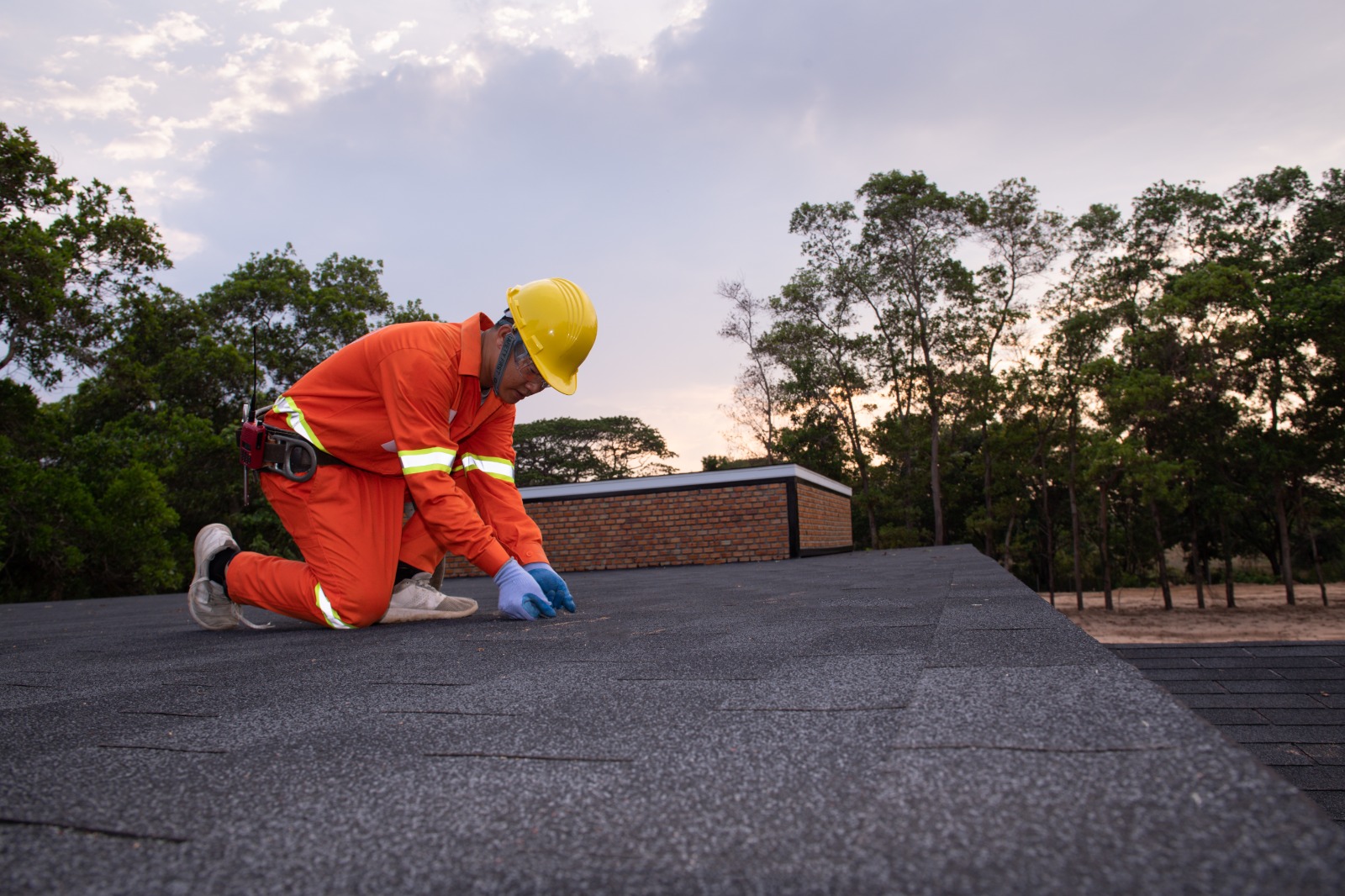
Follow the shingle manufacturer’s instructions, apply the solution gently at low pressure, leave it for the set contact time, then rinse with a gentle spray. ARMA’s method uses 15 to 20 minutes of contact, protects plants and other parts of the building, and avoids scrubbing. The roof will be slippery while wet.
What a careful job includes:
- Check the roof first. Cleaning is no substitute for repairing lifted, cracked or missing shingles.
- Find the manufacturer’s guidance. Mixing directions vary among shingle manufacturers.
- Protect the surroundings. Plants, lawns, paint and metal can be harmed by the solution.
- Apply gently. Low pressure, from a ladder or walkboards where possible, not by walking on the wet roof.
- Time it. ARMA says at least 15 and no more than 20 minutes.
- Rinse gently. A low-pressure spray, not a jet.
ARMA warns that it is dangerous to walk, climb or work on a roof, and recommends that only trained professionals do so. The solution and rinse make the surface slippery and hazardous during treatment.
What solution is used to soft wash a roof?
ARMA’s guidance uses liquid household bleach, sodium hypochlorite, diluted with water. Mixing directions vary among shingle manufacturers and depend on how much discoloration there is. ARMA says other cleaning chemicals or methods should not be used without the shingle manufacturer’s approval, so check yours before anything else goes on the roof.
That approval point is the practical answer to which chemical is most effective. The strongest mix is not the goal; the right one is the one the manufacturer of your shingles accepts. ARMA also advises normal precautions for handling bleach, including eye protection and rubber gloves.
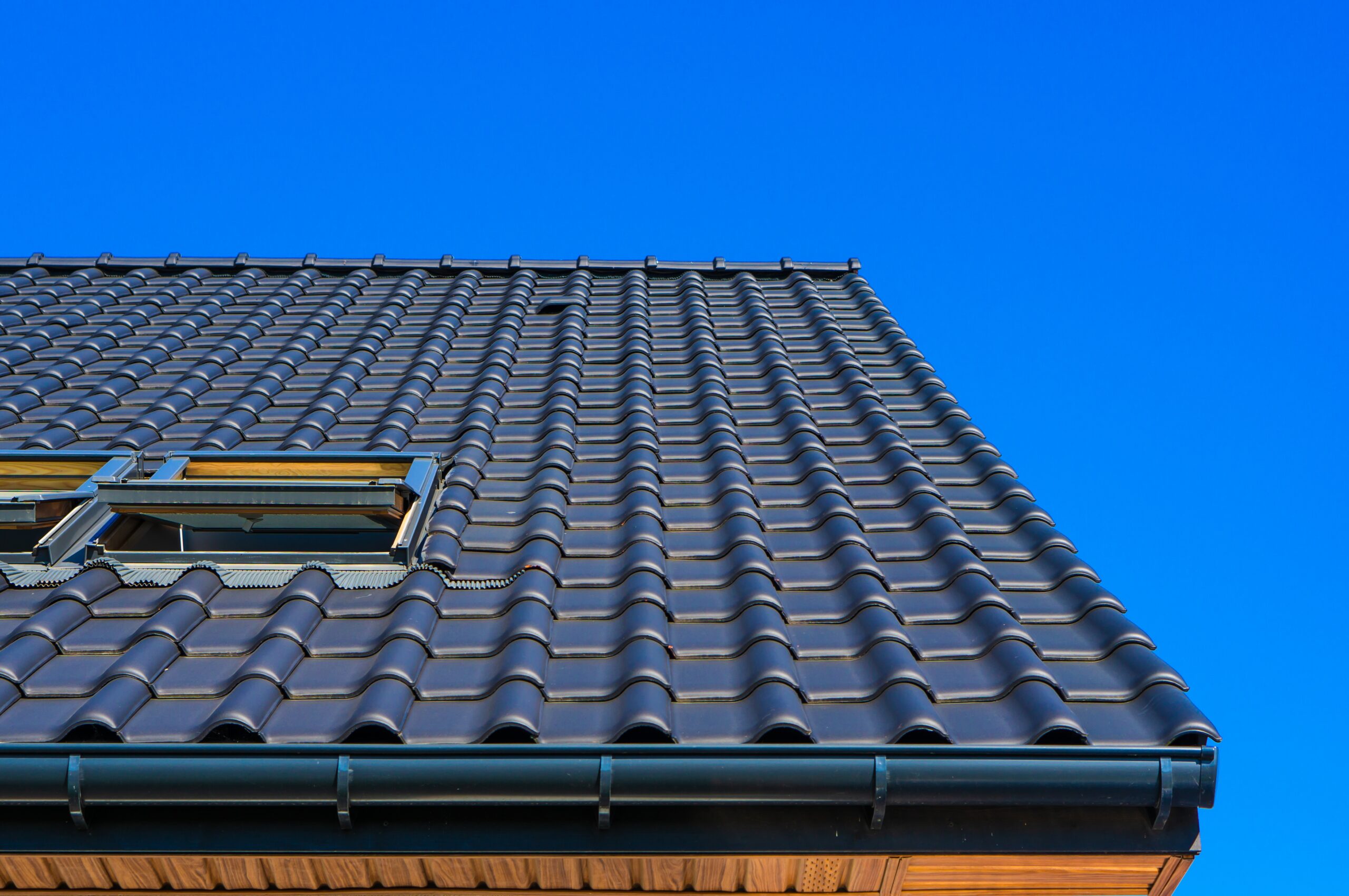
For tile and metal roofs, the same principle applies. The DOE’s advice to follow the manufacturer’s cleaning recommendations, and to avoid power washing and harsh chemicals, is general to roofs, not limited to shingles. Ask the contractor what the manufacturer of your roof covering allows.
How long does soft washing a roof last?
There is no fixed period. ARMA says the effect of bleach cleaning is only temporary and that discoloration may recur, because the algae spores are carried in the air and keep arriving. In a warm, humid climate like Central Florida’s, streaks can return after a roof is cleaned.
How long a clean roof stays clean depends on shade, moisture, the colour of the roof and the shingles themselves. Roof planes that stay damp longer give algae more time to grow. Cleaning removes what is there; it does not stop new growth.
That is why cleaning is a maintenance task rather than a fix. If the roof will need replacing in the next few years anyway, the money may be better put towards the new roof.
What about moss, tree droppings and the area around the house?
Treat them separately from algae. ARMA says moss and tree droppings tend to produce localized marks rather than streaks, and tells homeowners to consult the shingle manufacturer about the effects of moss on asphalt shingles and how to remove it. It also says the cleaning solution must be kept off the landscape and other parts of the building.
Trimming branches that overhang the roof cuts down on leaves and droppings, and lets the roof dry faster after rain. Leaves left to collect in valleys and behind chimneys hold moisture against the roof, so clearing them away is part of keeping the surface in good condition, whatever cleaning method is used.
The area around the house needs planning before any solution goes on the roof. ARMA’s warning about damage to the building and the landscape covers plants, lawns, painted surfaces and metal. A careful contractor wets or covers vulnerable plants, keeps runoff away from them, and rinses down nearby surfaces afterwards. If you have a pool, a screened enclosure or a vegetable garden next to the roof, mention it when you ask for the quote, so it is protected from the start.
Are algae-resistant shingles worth it?
They are the longer-term answer if algae is a recurring problem. ARMA says several types of algae-resistant shingles are commercially available and are specifically designed to inhibit algae growth for extended periods. If your roof is vulnerable to discoloration, ARMA suggests considering them when you re-roof.
Things to compare when you re-roof:
- Algae resistance and what the manufacturer’s warranty says about discoloration.
- Colour. ARMA notes discoloration is most visible on light-coloured roofs.
- Reflectance. The DOE notes some cool roofs in hot, humid places may be more susceptible to mould or algae growth.
- Maintenance. Some roof coatings include chemicals that resist mould and algae, according to the DOE.
For a homeowners’ association with appearance rules, an algae-resistant roof can mean fewer cleaning requests over its life.
How much does it cost to soft wash a roof?
There is no reliable single figure to give, because the price depends on the roof’s size, pitch, height, material and how heavily it is stained, as well as access and how much landscaping needs protecting. A written quote after someone has looked at the roof is the dependable number.
What moves the price:
- Roof size and pitch. More area and steeper slopes take more time and setup.
- Height. Two-storey roofs need more access equipment.
- Material. Shingle, tile and metal have different cleaning guidance.
- Staining. Heavier growth may need more solution.
- Surroundings. Pools, gardens and screened enclosures need protecting.
Ask the quote to state the method, the solution and the pressure, and to confirm it follows the manufacturer’s cleaning guidance for your roof.
Should you clean the roof or have it inspected first?
Inspect first if the roof has any age on it. Streaks can hide cracked, lifted or missing shingles and worn areas, and cleaning will not fix any of them. Having the roof looked at before it is cleaned means repairs are made first, and the cleaning does not stress a roof that is already weak.
Residential Roofing Orlando can look over the roof, flag anything that needs repair, and advise whether cleaning or longer-term maintenance makes sense for your roof. See our roof maintenance service or call (407) 305-0865.
Frequently asked questions
These are short answers to questions homeowners search about soft washing a roof. Each points back to a fuller section above. Roof work is dangerous, and a wet, treated roof is slippery, so leave cleaning on the roof itself to trained professionals.
Is it good to soft wash your roof?
It can be, when done to the shingle manufacturer’s guidance with a gentle, low-pressure solution. It lightens algae streaks without the granule loss that pressure washing causes, but ARMA says the effect is only temporary and discoloration may return, so treat it as cosmetic maintenance.
What is a good solution for soft washing a roof?
ARMA’s guidance uses liquid household bleach, sodium hypochlorite, diluted with water, with mixing directions that vary by shingle manufacturer. It says other chemicals should not be used without the manufacturer’s approval, so check your shingle maker’s cleaning guidance before choosing a product.
How long does soft washing a roof last?
There is no fixed period. ARMA says bleach cleaning is only temporary and discoloration may recur, because algae spores are airborne and keep settling. Shade, moisture and roof colour affect how quickly streaks return, especially in a warm, humid climate like Central Florida’s.
Can you pressure wash roof shingles?
No. ARMA says high-pressure washing is likely to damage asphalt roofing and should not be used to remove algae or for any other purpose. The DOE also lists power washing as improper cleaning that could damage a roof. Use a gentle method that follows the manufacturer’s guidance.