Choosing a roof in Central Florida is not only a question of looks or price. It is a question of wind, water, heat and paperwork. This guide compares the roof types Florida homeowners choose between, explains what Orlando’s weather does to each one, and sets out the state rules and insurer limits that now shape the decision.
What is the best type of roof for Florida weather?
No single roof type is best for every Florida home. The right choice balances four things: how the roof handles hurricane wind, how it sheds heavy summer rain, how it copes with heat, and how long your insurer will accept it before asking for proof of replacement. Shingle, tile and metal each win on different counts.
Ask what the roof must do while you own the house:
- Resist wind. Look up the exact product you are quoted in the state’s Florida Product Approval search before you sign a contract.
- Shed water. Orlando’s wet season is long and intense, so the layers under the visible roof matter as much as the roof covering itself.
- Stay insurable. Insurers in Florida treat roof age differently by material, which changes the real cost of each option over time.
- Fit the house. Roof pitch, structure, HOA rules and the existing roof all limit what can go on top.
The sections below take each of these in turn.
What does Orlando’s climate do to a roof?
Orlando’s climate attacks a roof from three directions: very heavy seasonal rain, long hot summers, and tropical storms. NOAA’s 1991 to 2020 normals for Orlando International Airport show a July average high of 92.0°F and roughly 8 inches of rain in June alone. Hurricane gusts at the airport have topped 100 mph.
Source: NOAA 1991 to 2020 climate normals, Orlando International Airport.
| Month | Average high | Average rainfall |
|---|---|---|
| January | 71.8°F | 2.48 in |
| April | 83.6°F | 2.58 in |
| June | 90.8°F | 8.05 in |
| July | 92.0°F | 7.46 in |
| August | 91.6°F | 7.69 in |
| September | 89.6°F | 6.37 in |
| November | 78.3°F | 1.79 in |
Added together, the twelve monthly normals come to about 51.5 inches of rain a year. The National Weather Service notes that June through September are the wettest months, driven by Gulf and Atlantic sea breezes that collide over the peninsula. It also reports that in summer central Florida leads the country in thunderstorm days, with more than 80 a year.
Orange County sits in climate zone 2A, the hot and humid zone, in the Department of Energy’s Building America climate guide. Heat and humidity together can age roofing materials and load the attic with moisture.
Lightning adds to the load. The weather service notes that the inland area of central Florida is often called the “Lightning Capital of the United States”, one more reason to keep flashing, roof penetrations and anything mounted on the roof in good order.
Then there are hurricanes. The Atlantic season runs June 1 to November 30, with a peak around September 10. Recent storms measured at Orlando International Airport:
| Storm | Peak gust recorded at the airport | Source |
|---|---|---|
| Charley, 2004 | 91 knots (about 105 mph) | NHC report |
| Irma, 2017 | 69 knots (about 79 mph) | National Weather Service |
| Ian, 2022 | 64 knots (about 74 mph) | National Weather Service |
| Milton, 2024 | 76 knots (about 87 mph) | National Weather Service |
The Charley report records that the storm’s center passed near Kissimmee and Orlando. The weather service cautions that point readings like these are unlikely to capture the true peak of a storm, so treat them as a floor, not a ceiling.
How do the roof types Florida homeowners choose compare?
Central Florida homes are roofed with asphalt shingles, concrete or clay tile, or metal, and some have flat or low-slope sections on porches and additions. They differ most in weight, installed cost, how insurers treat their age, and the parts that wear out first. The table below compares them on points that can be checked.
| Compare on | Asphalt shingle | Concrete or clay tile | Metal | Flat or low-slope |
|---|---|---|---|---|
| Weight on the structure | Light | Heavy; the frame must be built for it | Light | Varies by system |
| What an inspection checks first | The shingles themselves | The underlayment beneath the tile | Fasteners, seams and sealants | The membrane and its seams |
| Citizens age line for proof of replacement | More than 25 years | More than 50 years | More than 50 years | More than 25 years (“other”) |
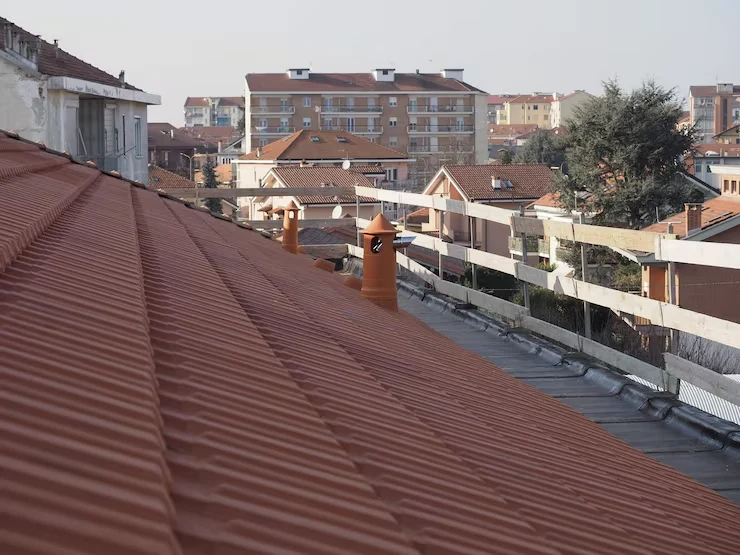
Asphalt shingles
Shingles are light, suit most sloped roofs and most existing frames, and can be repaired in sections. Their weakness in Florida is age: sun and heat wear the surface over time, and Citizens applies its shorter 25-year age line to them. Census figures count 120,579 Orange County housing units built between 2000 and 2009, and a home from those years still on its original shingle roof is now past the 15-year mark in state law.
When you compare shingle quotes, look past the brand name. Ask what underlayment goes beneath the shingles, how the roof will be ventilated, whether damaged decking will be replaced and at what rate, and which product approval number covers the exact shingle being installed.
Concrete and clay tile
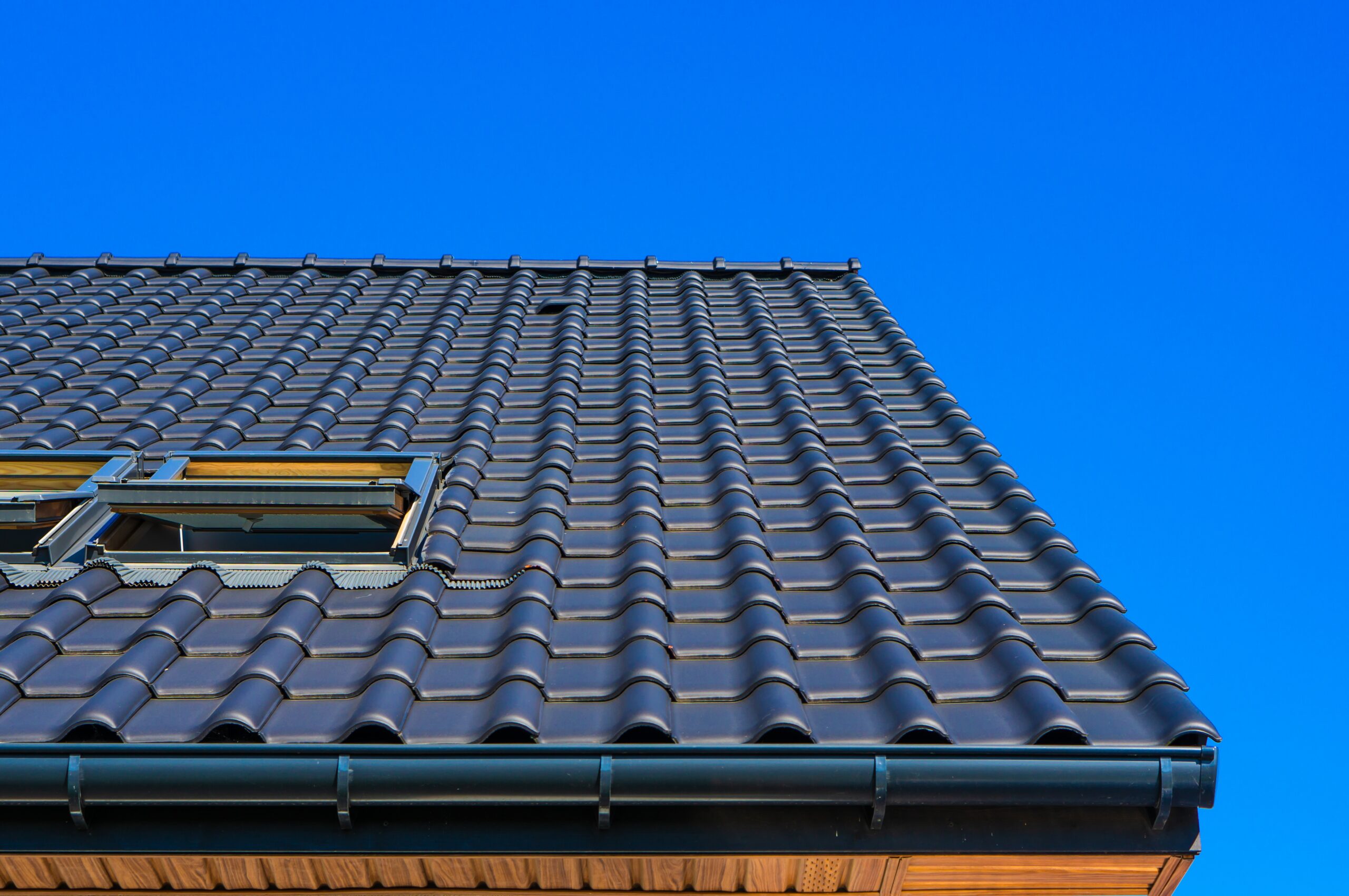
Tile is heavy and durable on the surface, and the frame must be built to carry it. When a tile roof leaks, the underlayment, the waterproof layer under the tiles, is one of the first things checked. That is why a tile roof can look sound from the street while letting water in.
Re-roofing a tile roof means lifting the tiles to reach the layers beneath. Whether the existing tiles can go back on depends on their condition and on whether replacements can be matched, so ask each contractor to state in writing what happens to broken or unmatched tiles. Citizens places tile on its 50-year line, but it judges the whole roof by its oldest part. Tile also cracks underfoot, which is one more reason to leave inspections to a professional.
Metal roofing
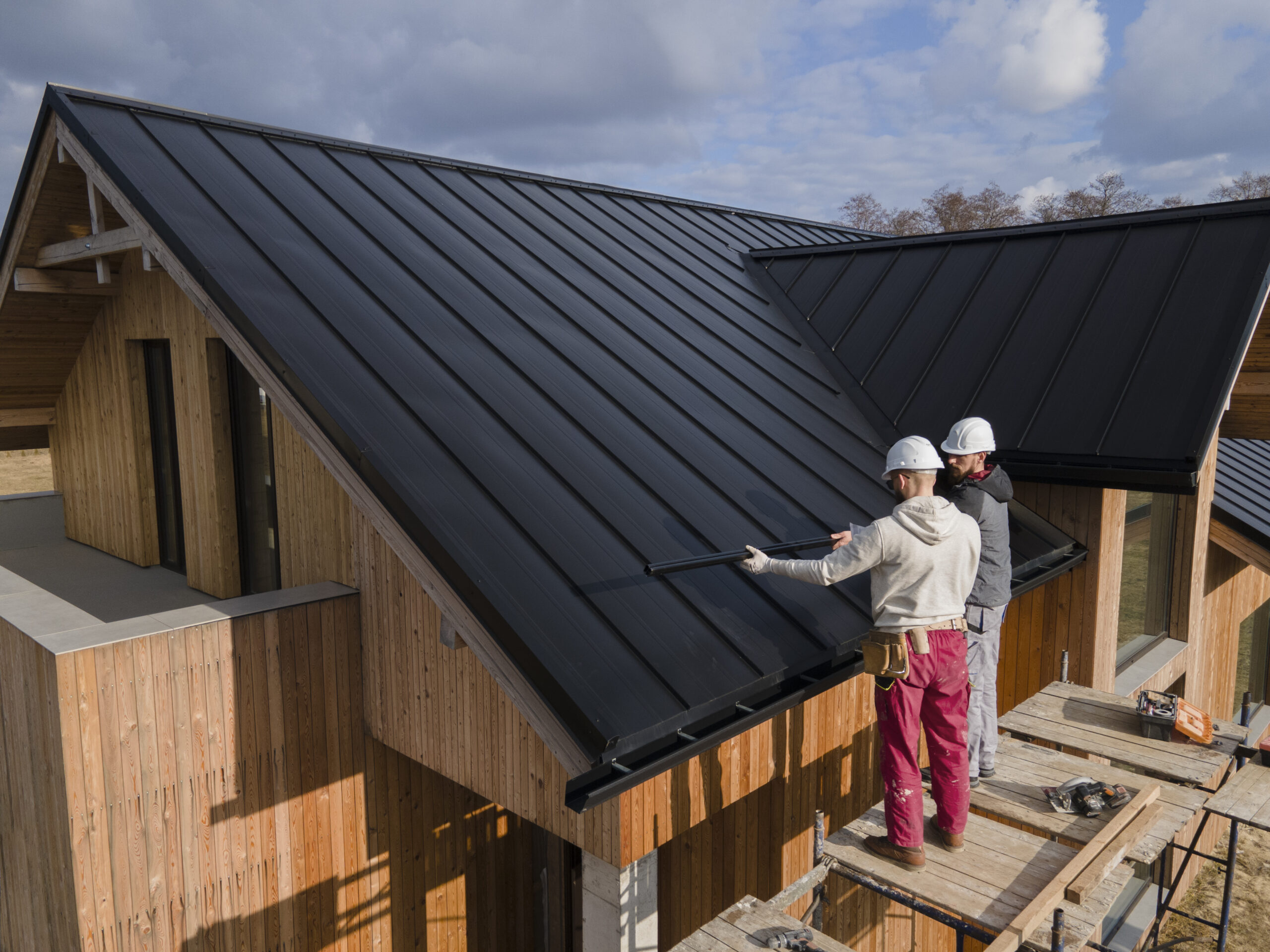
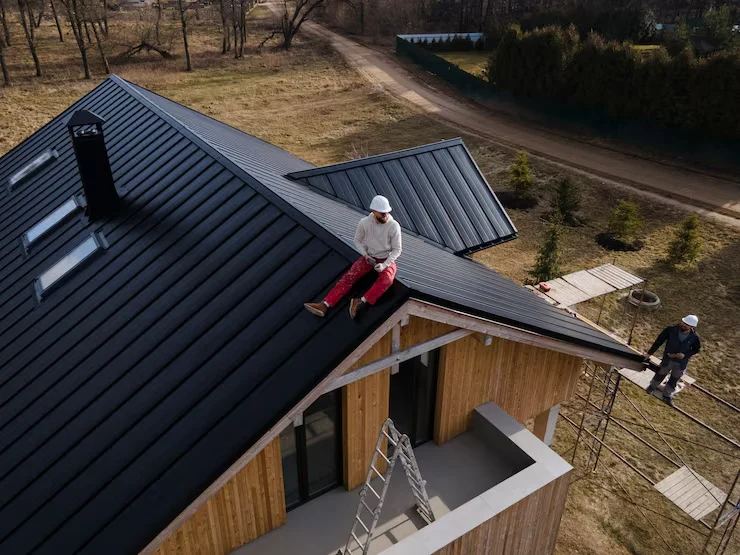
Metal roofs are light, shed rain quickly, and are treated by Citizens on the same 50-year line as tile. Panel profile, fastening and installation matter as much as the metal itself, because a metal roof is only as wind-resistant as the way it is held down.
Ask any contractor quoting metal for the product approval number of the exact panel system, the fastener type and spacing, and how ridges, valleys and penetrations will be sealed. Exposed-fastener and concealed-fastener systems are different products, so make sure every quote describes the same one. Some HOAs restrict metal, so check your community’s rules before pricing it. If your neighbourhood allows it, confirm whether colour or profile limits apply, because they can narrow the products available to you.
Flat and low-slope roofs
Low-slope sections drain slowly, which matters in a place with 8-inch rain months. They need a membrane system designed to cope with water that sits on the surface, not shingles. Orange County’s roof permit application asks for the material type, listing options such as shingles, torch down, shake and tile.
Where a low-slope section sits beside a sloped roof, over a porch, a lanai or an addition, the joint between the two is a place an inspector checks closely, because it is where two different systems meet. When a low-slope section is part of a re-roof, ask whether it is included in the quote, which membrane will be used, and how the transition to the main roof will be flashed. A quote that covers only the sloped roof leaves that section on its own clock.
How long does a roof last in Florida?
The National Roofing Contractors Association says most new roofs are designed to give useful service for about 20 years, and that some types, such as clay tile and certain metals, can last longer. Real lifespan depends on climate, design, material quality, installation and maintenance. Orlando’s heat, rain and storms push hard on every one.
Source: NRCA. Manufacturer lifespan claims vary by product, so read the warranty for the exact product you are quoted.
For Florida homeowners, the more practical question is often how long the roof stays insurable. That depends on the material and the insurer, as the next section explains.
Why does roof age matter so much to Florida insurers?
Florida insurers price and accept homes partly on roof age. State law limits what they can do with roofs under 15 years old, and allows an inspection to keep older roofs insurable. Citizens, the state-backed insurer, sets its own age lines by material. Both shape which roof type makes sense for you.
Under Florida Statutes section 627.7011, for policies issued or renewed on or after July 1, 2022:
- An insurer may not refuse to issue or renew a homeowner’s policy solely because the roof is less than 15 years old.
- For a roof at least 15 years old, the insurer must let you have the roof inspected by an authorized inspector, at your expense, before requiring replacement. If the inspection shows 5 or more years of useful life left, the insurer may not refuse or non-renew solely because of roof age.
- Authorized inspectors include licensed home inspectors, certified building code inspectors, licensed general, building, residential or roofing contractors, professional engineers and architects.
- Roof age is counted from the last date the whole roof surface was built or replaced to the code in force at the time.
The law does not stop an insurer declining a home for other lawful reasons. Citizens applies its own underwriting rules, which are not statute. Its published roof age requirements ask for proof of replacement on shingle roofs over 25 years old and tile, slate, clay, concrete or metal roofs over 50, unless the roof is documented as having at least five years of useful life left.
Citizens tightened those rules in 2023. Its March 2023 bulletin raised the remaining-useful-life requirement for over-age roofs from three years to five, said roof age is based on the oldest part of the roof, and capped any extension at five years. A later notice said its roof age exception, effective August 1, 2024, is granted on a one-time basis.
The “oldest part” point matters if your roof has been replaced in sections. A newer front slope does not reset the age of an older back slope.
Insurance rules change and every policy differs. Confirm how your own insurer treats your roof before deciding on a material.
What is the 25% roof rule in Florida?
The “25% rule” refers to when repairing part of a roof triggers bringing more of it up to current building code. Florida changed this in 2022. If your roof was built or replaced under the 2007 Florida Building Code or later, repairing 25% or more now requires only the repaired portion to meet current code.
That exception is written into section 553.844(5) of the Florida Statutes. It matters for material choice in two ways:
- Older roofs are not covered. A roof installed before the 2007 code took effect does not get the exception, and Census data shows 61.9% of Orange County housing units were built before 2000. Year built is only a rough guide, because many of those homes have been re-roofed since. The same Census survey counts 54.3% of the county’s housing units as single-family detached homes.
- A code-era roof keeps the exception. Once installed to current code, later partial repairs need only meet code for the repaired portion.
Ask your building department how the rule applies to your roof.
What is the new law in Florida about roofs?
Several Florida laws passed from 2021 onward change how homeowners buy roofs and handle claims. They cover roof age and insurance, the 25% repair exception, a ban on assigning insurance benefits to contractors, and limits on how roofers can solicit work. None of them names a required roof material.
| Law | What it does | Source |
|---|---|---|
| Section 627.7011 | Limits refusing or non-renewing over roof age under 15 years; inspection route for older roofs | statute |
| Section 553.844(5) | Code-era roofs: only the repaired part must meet current code | statute |
| Section 627.7152(13) | Post-loss benefits under policies issued on or after January 1, 2023 cannot be assigned to a contractor | statute |
| Section 489.147 | Contractors may not offer gifts, cash or deductible waivers in exchange for a roof inspection or a claim | statute |
These summaries are not legal advice. For a specific claim or contract, check with your insurer or an attorney.
Do wind mitigation features change which roof makes sense?
Yes, often more than the roof covering itself. Florida requires insurers to offer discounts or credits for construction that reduces windstorm loss, including roof covering performance, roof strength and roof-to-wall connections. A re-roof is the natural moment to add several of those features, whatever material you choose.
Section 627.0629 sets the discount requirement, and section 553.844(2) ties roof-deck fastening, roof-to-wall connections and a secondary water barrier to re-roofing. Since October 1, 2023, each insurer must describe its hurricane mitigation discounts on its website, so you can check yours directly.
Features to ask about when comparing quotes:
- Roof deck attachment. How the sheathing is fastened to the frame.
- Roof-to-wall connections. Clips or straps tying the roof structure to the walls.
- Secondary water barrier. A sealed layer that limits water entry if the roof covering is damaged.
- Product approval. The approval number for the exact product being installed.
Ask your insurer which features earn a credit on your policy.
What does a roof deductible mean for your choice?
Your deductible decides how much of a storm repair you pay before insurance does, so it belongs in any roof decision. Florida law requires policies with a separate roof deductible to warn you prominently and show its dollar value. Insurers must also offer hurricane deductibles set as a percentage of the dwelling limit.
Under section 627.701:
- A policy with a separate roof deductible must say so on the page behind the declarations page, in bold type, warning that it may result in high out-of-pocket expenses. The insurer must also compute and display the deductible’s actual dollar value.
- Insurers must offer alternative hurricane deductibles, including a fixed-dollar option and 2%, 5% and 10% of the dwelling limit.
Read your declarations page before choosing a material. If anything on it is unclear, ask your agent to explain it in dollars.
What should you check before you sign with a roofer?
Check the licence, the offer and the paperwork. A roofing contractor’s licence can be verified with the state, Florida bans the inducements some door-to-door roofers once relied on, and contracts can no longer take over your insurance benefits. A legitimate contractor will expect you to check all three.
- Licence. Search the contractor by name or licence number on the Florida Department of Business and Professional Regulation’s licence search. Under section 489.105, a roofing contractor’s scope includes roof-deck attachments and repairing or replacing wood sheathing or fascia as needed during roofing.
- Inducements. Under section 489.147, a contractor may not offer a gift, cash, a gift card or a deductible waiver in exchange for inspecting your roof or for you making a claim. The statute sets a fine for each violation.
- Assignment of benefits. For policies issued on or after January 1, 2023, section 627.7152(13) makes any attempt to assign post-loss benefits void.
- Claim deadlines. If storm damage is part of the job, Florida’s claim-notice statute bars a new or reopened claim unless the insurer is notified within 1 year of the date of loss, and a supplemental claim unless notified within 18 months.
These are summaries, not legal advice. Check anything that affects a contract or claim with your insurer or an attorney.
Are there rebates or tax credits for a new roof in Florida?
Federal options are limited. The IRS energy-efficient home improvement credit does not list roofs as qualifying property, and it covers improvements made only through December 31, 2025. ENERGY STAR ended its roof products specification in 2022. Florida’s state grant program is the main incentive to research.
Sources: the IRS credit page and the ENERGY STAR roof specification notice. The state’s My Safe Florida Home program funds some wind mitigation roof work for eligible homes; check its site for current status before planning around it.
How do I find out how old my roof is?
Start with permit records. Orange County’s roof permit application covers re-roofs, and both the county and the City of Orlando run public permit lookups. Search by address for the most recent re-roof permit and its final inspection date, then keep that record, because insurers may ask for it.
- Unincorporated Orange County: roof permits are listed on the county’s roof permit page and searchable through Fast Track.
- City of Orlando: the city’s permits and inspections page explains how to check status by permit number, address, project name or parcel ID.
Be aware that Citizens no longer accepts the 4-point inspection or the wind mitigation form as proof that a roof was replaced. Permits, county records and contractor documents with paid invoices are what it asks for.
How should I choose between roof types for my house?
Work from the house outward. Confirm the roof’s age and permit history, then what the structure can carry, what your HOA allows, and how your insurer treats each material. Only then compare products and quotes. Asking the same questions of every contractor keeps the quotes comparable.
Questions worth putting to each roofer:
- What is the Florida product approval number for the roof covering you are quoting?
- How will the roof deck be fastened, and will roof-to-wall connections be checked?
- Is a secondary water barrier included, and what type?
- Will you pull the permit, and who schedules the final inspection?
- What does the warranty cover, who issues it, and for how long?
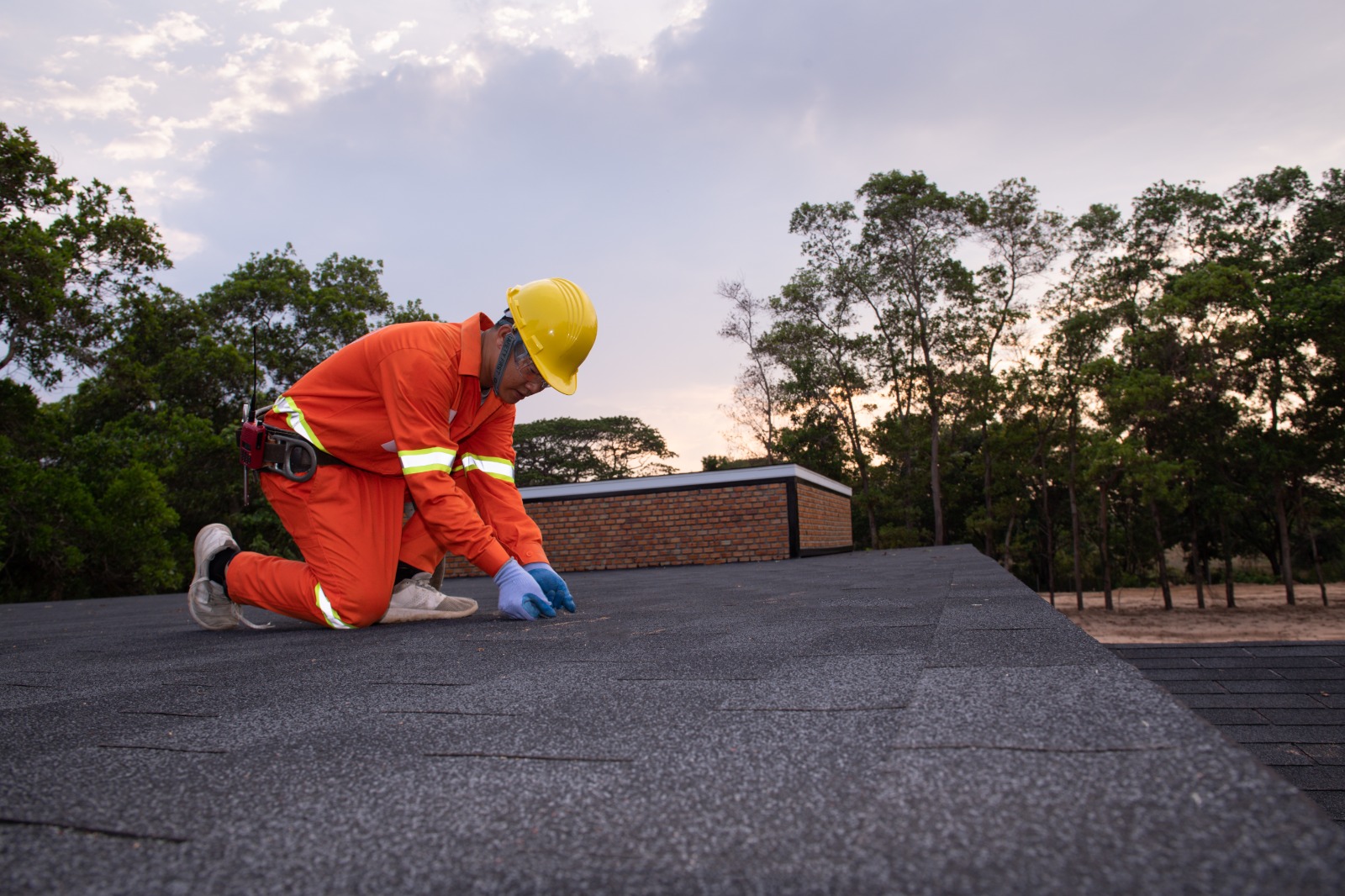
Never climb onto a roof to check it yourself, especially tile, which can crack underfoot. Look from the ground, or have a professional inspect it.
If you would like a second opinion on which option suits your home, Residential Roofing Orlando can walk through it with you. See our residential roofing services for shingle, tile and metal roofs. Call (407) 305-0865 to arrange an inspection.
Frequently asked questions
These are short answers to questions Orlando homeowners search about roof types. Each one links back to the fuller section above. Insurance and code details change, so treat these as a starting point and confirm anything that affects a claim or contract with your insurer or building department.
What are the three main types of roofs?
For Central Florida homes, the three main roof coverings are asphalt shingle, concrete or clay tile, and metal. Flat or low-slope membrane systems are a fourth category, often used on porches, additions and some modern designs.
What type of roof lasts 25 years in Florida?
The NRCA says most roofs are designed for about 20 years, and that clay tile and certain metals can last longer. For insurance, Citizens asks for proof of replacement on shingle roofs over 25 years old and tile or metal roofs over 50.
What is the 25% roof rule in Florida?
Under section 553.844(5), if a roof was built to the 2007 Florida Building Code or later, repairing 25% or more requires only the repaired portion to meet current code. Older roofs do not get this exception.
What is the new law in Florida about roofs?
Recent laws limit insurers refusing roofs under 15 years old over age alone, add an inspection route for older roofs, ban assigning post-loss benefits to contractors for policies from 2023, and bar roofers from offering gifts for inspections or claims.
Who can inspect my roof for my insurer?
Section 627.7011 lists licensed home inspectors, certified building code inspectors, licensed general, building, residential or roofing contractors, professional engineers and architects, plus anyone your insurer recognizes as qualified.