Deciding when to replace a roof rather than repair it is rarely about one leak. In Central Florida it is about four things at once: how old the roof is, what condition it is in, what your insurer will accept, and what Florida’s building rules require when you repair. This guide sets out a framework for weighing them, so the decision rests on facts rather than a sales pitch.
How do you know if a roof needs replacing?
A roof needs replacing when its problems are widespread rather than local, when it is near the end of its service life, or when your insurer will no longer accept it without proof of replacement. A single leak or damaged section usually points to repair. Widespread wear, repeated leaks and a weakened deck point to replacement.
Signs that point toward replacement rather than repair:
- Damage across the roof, not in one spot. Curling, cracking or missing shingles on several slopes, or broken tiles across the field.
- Repeated leaks in different places. Fixing one opening while others appear suggests the covering or underlayment is failing as a whole.
- A soft or sagging deck. Spongy areas underfoot, sagging between rafters, or rot found during a repair.
- Age and insurance pressure together. An older roof that is also drawing questions from your insurer.
Any one of these is a reason to have the whole roof inspected, not just the part that leaks.
What framework should you use to decide?
Work through age, condition, insurance and code in that order. Age tells you how much life is plausibly left. Condition tells you whether problems are local or widespread. Insurance tells you whether the roof stays insurable. Florida’s repair rules tell you how much a repair may have to bring up to current code.
Age: how much life is left
The National Roofing Contractors Association says most new roofs are designed to give useful service for about 20 years, and that some types, such as clay tile and certain metals, can last longer (NRCA). Real lifespan depends on climate, design, materials, installation and maintenance.
Age matters to the decision because repairs on a roof near the end of its life buy less time. A repair on a roof with many years left protects that remaining life. The same repair on a roof that is already worn may only hold until the next weak point gives way. Find your roof’s age from its most recent re-roof permit, not from the age of the house. Orange County’s roof permit page points to its permit records.
Condition: local or widespread
Condition is the deciding factor more often than age alone. A roof that is fairly old but sound, with one damaged area, can be a good candidate for repair. A younger roof with widespread storm damage or failed underlayment may not be.
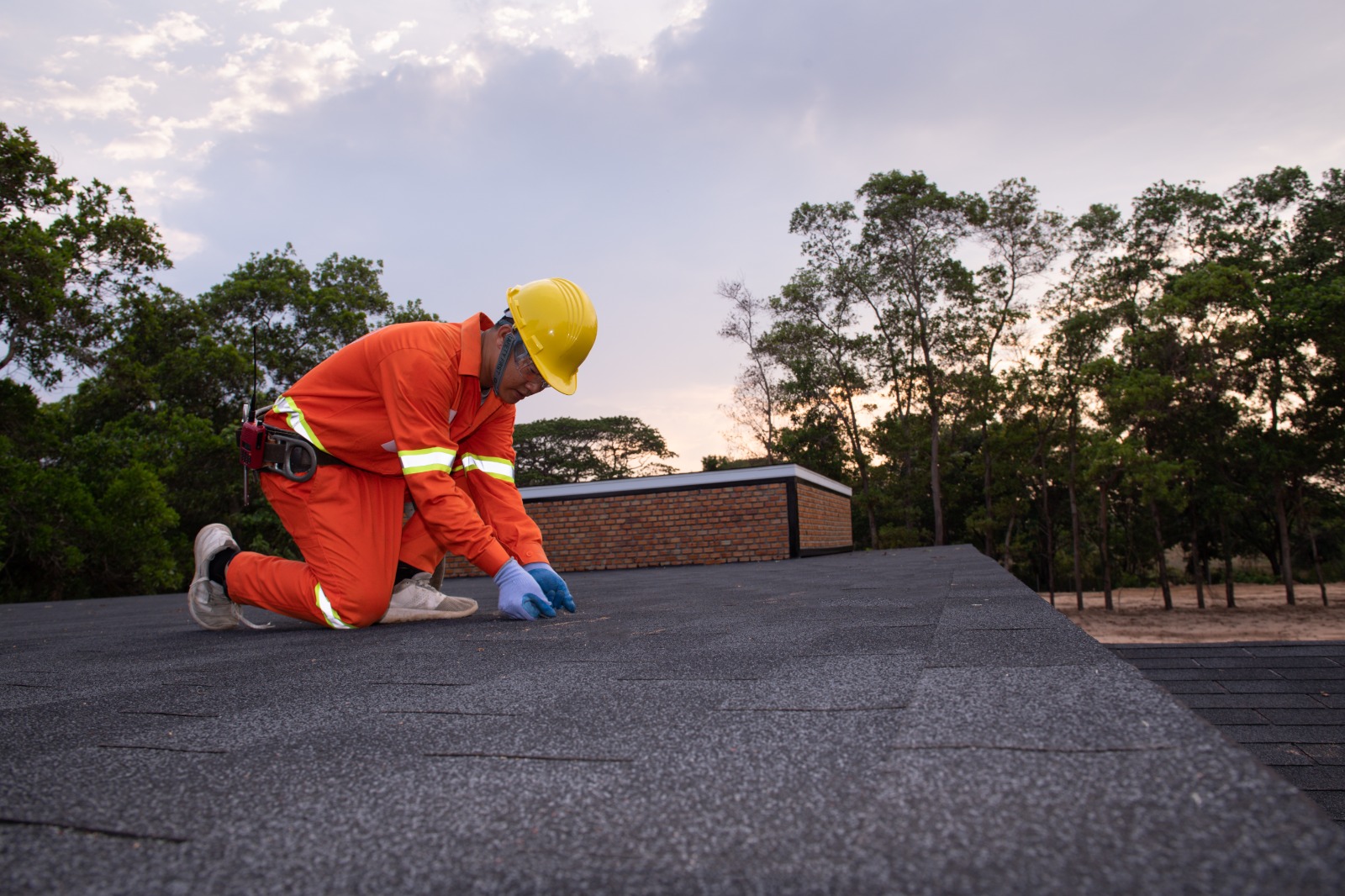
The question to ask is whether the problem is contained. A cracked vent boot, a lifted section of flashing or a few missing shingles after a storm are contained problems. Granule loss across every slope, underlayment failing under tile across the roof, or rot in several areas of the deck are not. An inspection should tell you which you have, in writing, with photos. Be wary of any inspection that ends with a replacement recommendation but cannot show you where the widespread damage is. Ask for the findings by area of the roof.
Insurance: whether the roof stays insurable
In Florida, insurance can decide the question even when the roof still works. Under section 627.7011, an insurer may not refuse to issue or renew a policy solely because a roof is under 15 years old. For a roof at least 15 years old, the insurer must allow an inspection before requiring replacement, and may not refuse or non-renew solely because of age if the inspection shows 5 or more years of useful life left.
Citizens applies its own limits. Its March 2023 bulletin describes roofs older than 25 years for shingle and other types, and 50 years for tile, slate, concrete or metal. It requires five years of remaining useful life for roofs over the maximum age, and bases age on the oldest part of the roof. Check how your own insurer treats your roof before deciding.
Code: what a repair must meet
Florida’s rules on repairs affect how far a repair can go before it triggers more work. Under section 553.844(5), if a roof was built or replaced under the 2007 Florida Building Code or later and 25 percent or more is being repaired, replaced or recovered, only that portion has to meet the current code.
Older roofs do not get that exception, so a large repair on a pre-2007 roof can bring more of it up to current code. That matters in Orange County, where Census figures show 61.9% of housing units were built before 2000. Year built is only a guide, because many roofs have been replaced since. Ask your building department and your contractor how the rule applies to your roof before you choose a large repair.
Is a 20-year-old roof too old?
Not automatically. The NRCA’s general figure is about 20 years of useful service, but condition and roof type matter more than a birthday. For insurance, a 20-year-old shingle roof is past the 15-year line in state law and close to Citizens’ 25-year line, so an inspection that documents its remaining life becomes important.
What to do with a roof around 20 years old:
- Get a full inspection that states its condition by area and its remaining useful life in writing.
- Check with your insurer how they treat its age, and whether an inspection showing remaining life would be accepted.
- Weigh the repair against the remaining life. A significant repair on a roof with little life left may be money better put toward replacement.
What is the 25% rule for roofing in Florida?
The “25% rule” refers to when repairing part of a roof triggers bringing more of it up to current building code. Florida changed this in 2022. If your roof was built or replaced under the 2007 Florida Building Code or later, repairing 25 percent or more now requires only the repaired portion to meet current code.
The exception is in section 553.844(5). It does not apply to roofs installed before the 2007 code. If your roof predates that, ask how a large repair would be treated before you commit to it, because the answer can change the repair-or-replace decision.
What does a replacement add that a repair cannot?
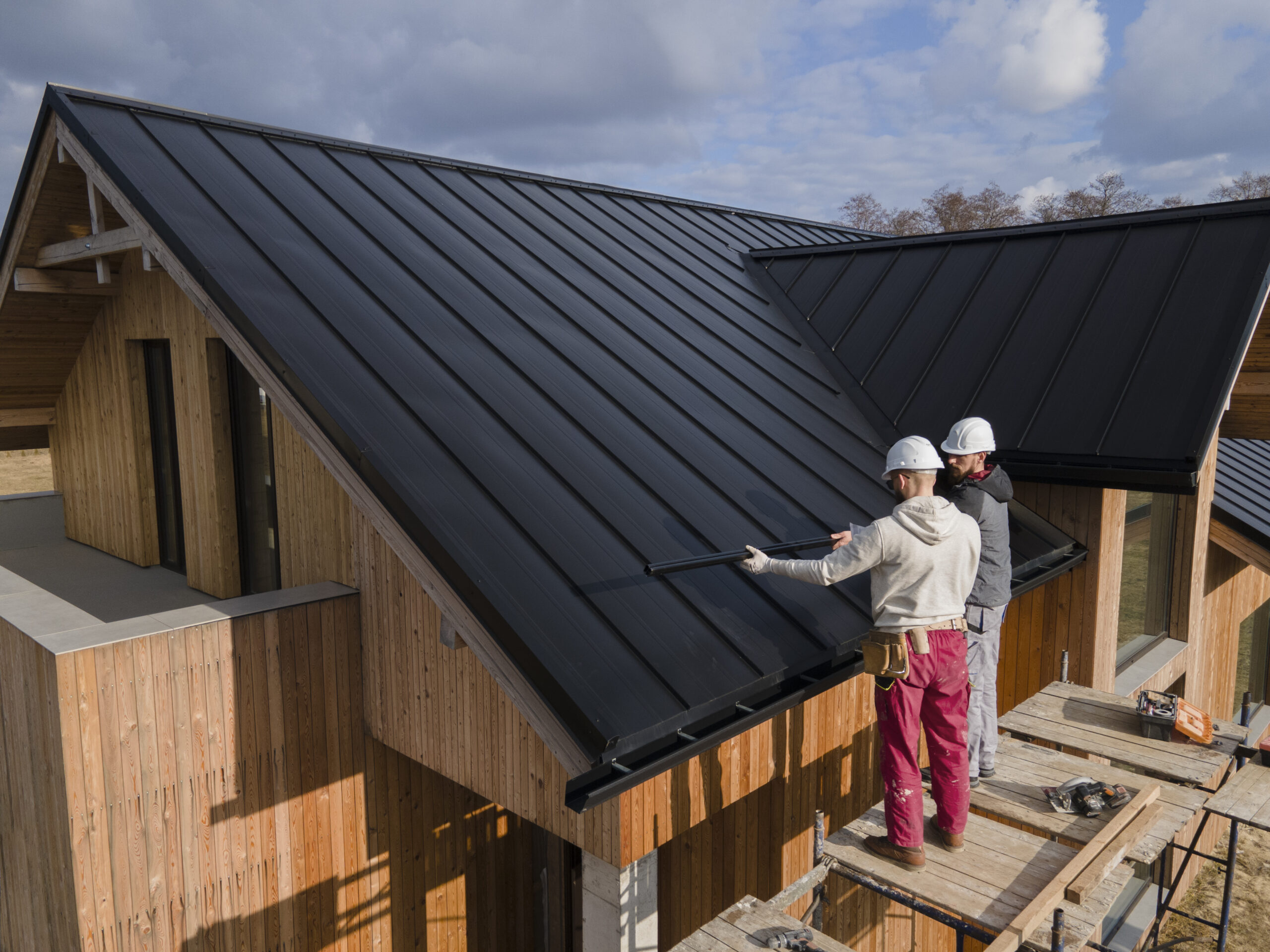
A full replacement exposes the whole deck, so problems hidden under the covering can be found and fixed, and wind upgrades that are only possible with the covering off can be added. A repair fixes one area and leaves the rest of the roof as it is, including its age for insurance purposes.
What becomes possible when the whole roof comes off:
- Deck repairs across the roof. Under section 489.105, repairing or replacing wood sheathing as needed during roofing is within a roofing contractor’s scope.
- Wind upgrades. Section 553.844(2) names strengthening deck attachment and adding a secondary water barrier as measures to address during re-roofing, with roof-to-wall connections where the cost test is met.
- A new roof age. Under section 627.7011, roof age is counted from the last date the whole roof surface was built or replaced. Partial repairs do not reset it.
That last point matters for insurance. Citizens also says roof age is based on the oldest part of the roof, so replacing one slope does not make an old roof new in its eyes.
Should you repair or replace after storm damage?
After a storm, the same framework applies, with two additions: your insurance claim and your deadline. Have the whole roof inspected, not just the obvious damage, report the claim promptly, and decide repair or replacement on the documented extent of damage, the roof’s age and how your insurer treats it.
Storm damage complicates the decision in a few specific ways:
- Hidden damage. Wind can lift and break the seal on shingles, or crack tiles, in ways that are hard to see from the ground. An inspection should cover every slope, the flashing and the attic.
- Claim deadlines. Under Florida’s claim-notice statute, a new or reopened claim is barred unless the insurer is notified within 1 year of the date of loss, and a supplemental claim within 18 months. Report early, before deciding on the fix.
- Partial versus full. A partial repair leaves the roof’s age where it was for insurance, because age counts from the last full replacement. If the roof was already near an insurer’s age limit, that can tip the balance toward replacement.
- Permits. Orange County’s roof permit application covers repairs as well as re-roofs, so ask whether the work you are quoted needs one, and who will pull it.
Keep your photos, the inspection report and every estimate together. If your insurer and your contractor see the damage differently, that record is what you will rely on.
What should you never do when deciding?
Never sign a contract on the doorstep, never accept an offer to waive your deductible, and never sign over your insurance benefits. Take the time to compare written findings from more than one contractor before you commit to either a repair or a full replacement.
Florida law backs this up. Under section 489.147, contractors may not offer inducements for inspections or claims, and under section 627.7152(13) assigning post-loss benefits is void for policies issued on or after January 1, 2023.
How do you get a fair recommendation?
Ask for the evidence behind it. A fair recommendation names where the damage is, how much of the roof it affects, what the roof’s remaining life is, and why repair or replacement follows from that. Get it in writing, with photos, and compare more than one contractor’s findings before you decide.
Questions to ask every contractor:
- Which areas of the roof are damaged, and how much of the roof do they make up?
- What is the roof’s remaining useful life, in your written assessment?
- If I repair, what does the repair cover, and what will still need attention later?
- Will a repair of this size trigger more code work on my roof?
- If I replace, what deck work, wind upgrades and permit are included?
If you are weighing a replacement, Residential Roofing Orlando can inspect the roof and explain both options. See our roof replacement service or call (407) 305-0865.
Frequently asked questions
These are short answers to questions homeowners search when deciding between repair and replacement. Each points back to a fuller section above. Insurance and code rules change, so confirm anything that affects a claim, a policy or a permit with your insurer or building department.
How do you know if a roof needs replacing?
Look for widespread damage rather than one problem area: wear on several slopes, repeated leaks in different places, a soft or sagging deck, or an older roof that your insurer is questioning. Any of these is a reason for a full inspection.
Is a 20-year-old roof too old?
Not automatically. Condition and roof type matter more than age alone. But a 20-year-old shingle roof is past the 15-year line in Florida law and near Citizens’ 25-year line, so a written inspection of its remaining life matters.
What is the 25% rule for roofing?
It concerns when repairing part of a roof triggers more code work. Under section 553.844(5), a roof built to the 2007 Florida Building Code or later needs only the repaired portion brought to current code, even at 25 percent or more.
Does a roof repair reset the roof’s age for insurance?
No. Under Florida law, roof age counts from the last date the whole roof surface was built or replaced. Citizens also bases age on the oldest part of the roof, so replacing one section does not reset the roof’s age.